Explore
Browse sacred places with the context still attached.
Filter by tradition, region, season, access, and site type. Move from a list into maps, journeys, or deeper cultural lenses without losing the current slice.
Browse modes
Shift mode without losing the current idea.
Broader context
Keep the current filters, but step out to the matching editorial view when needed.
The result list is useful for direct comparison. The region and tradition pages are better when you want the bigger shape of the landscape behind the current slice.
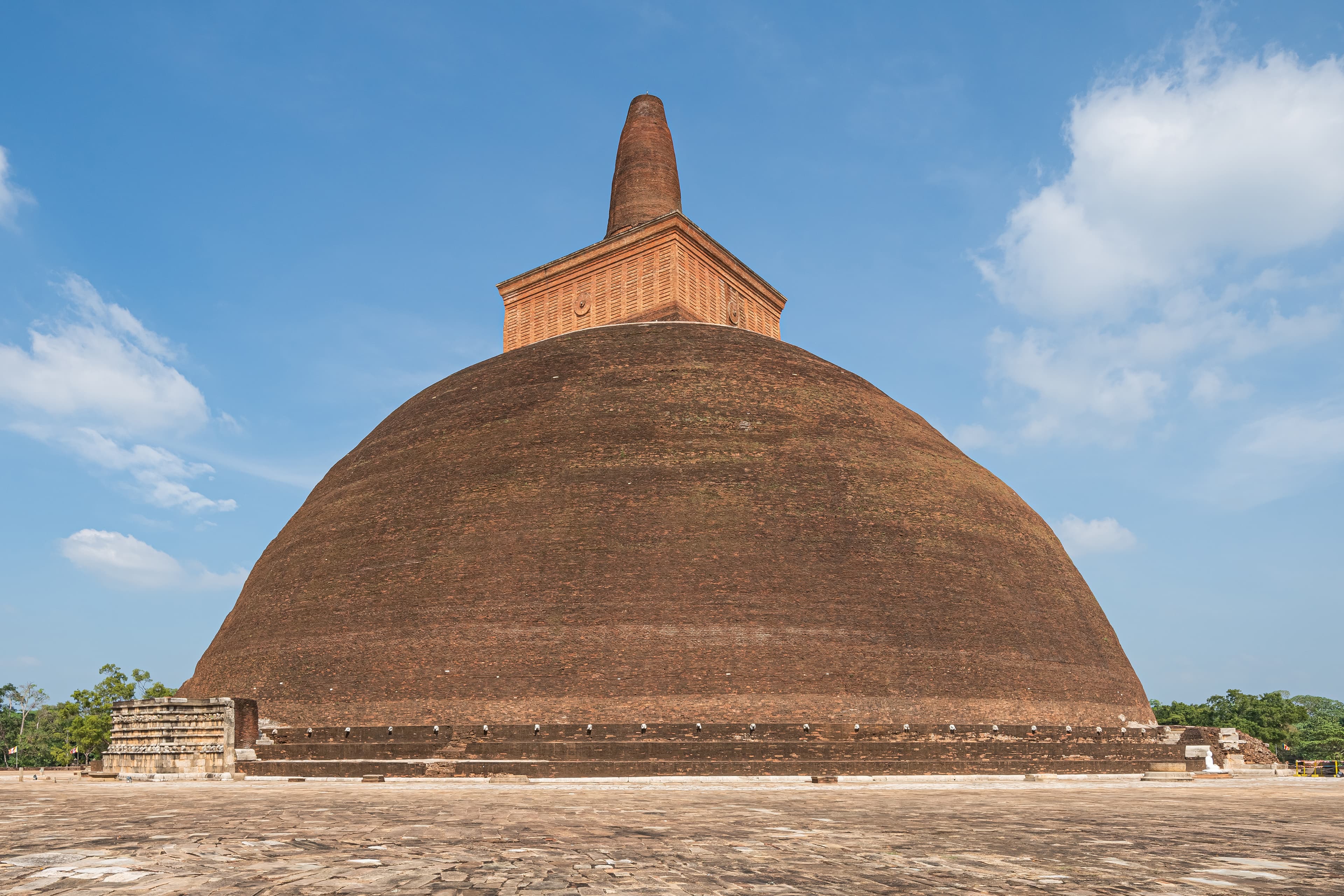
Abhayagiri Vihara
A major monastic ruin field whose stupa, pools, and residence remains still make Buddhist institutional life feel legible.
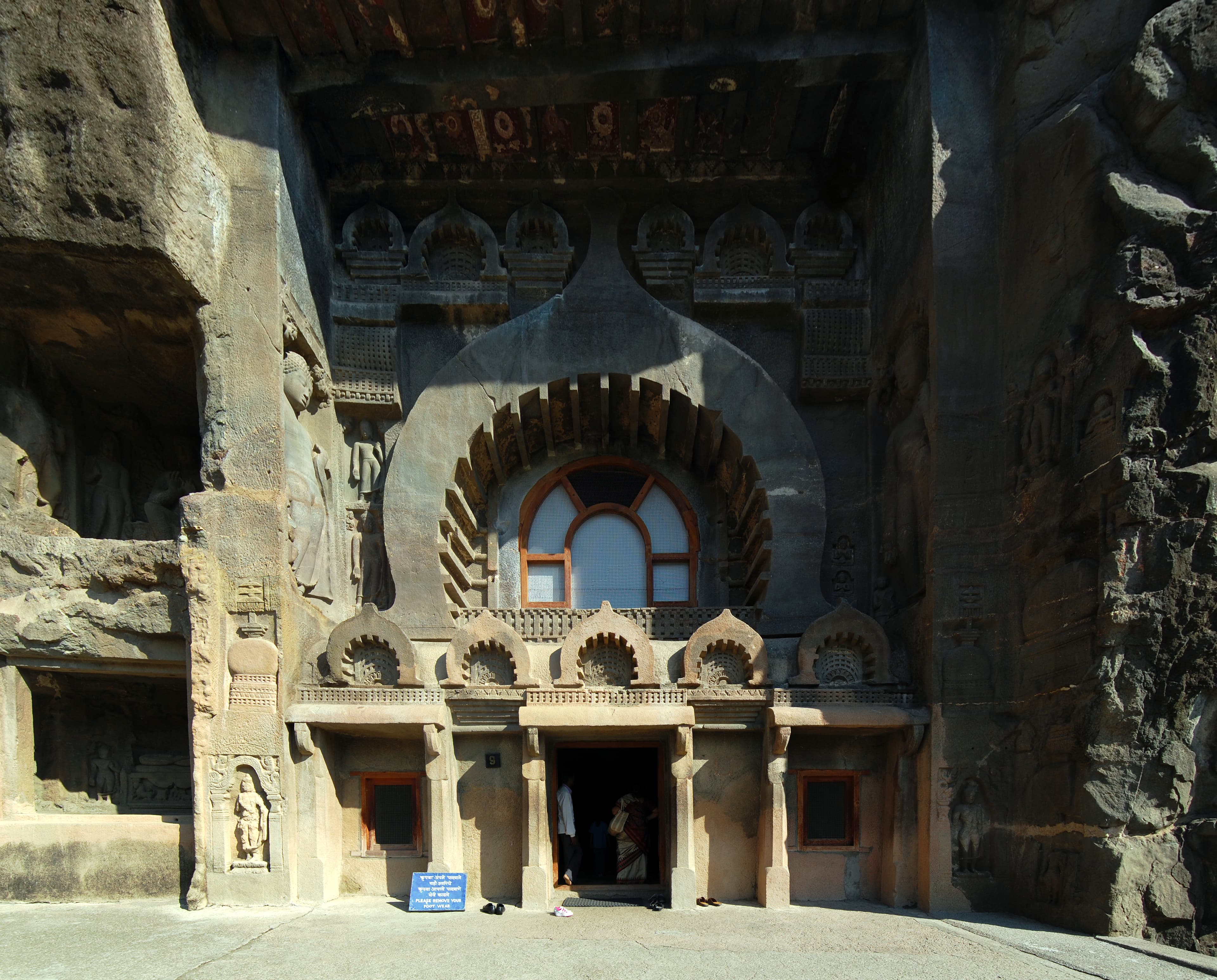
Ajanta Caves
A cliffside Buddhist cave complex where painting, monastic architecture, and river-valley setting all shape the encounter.
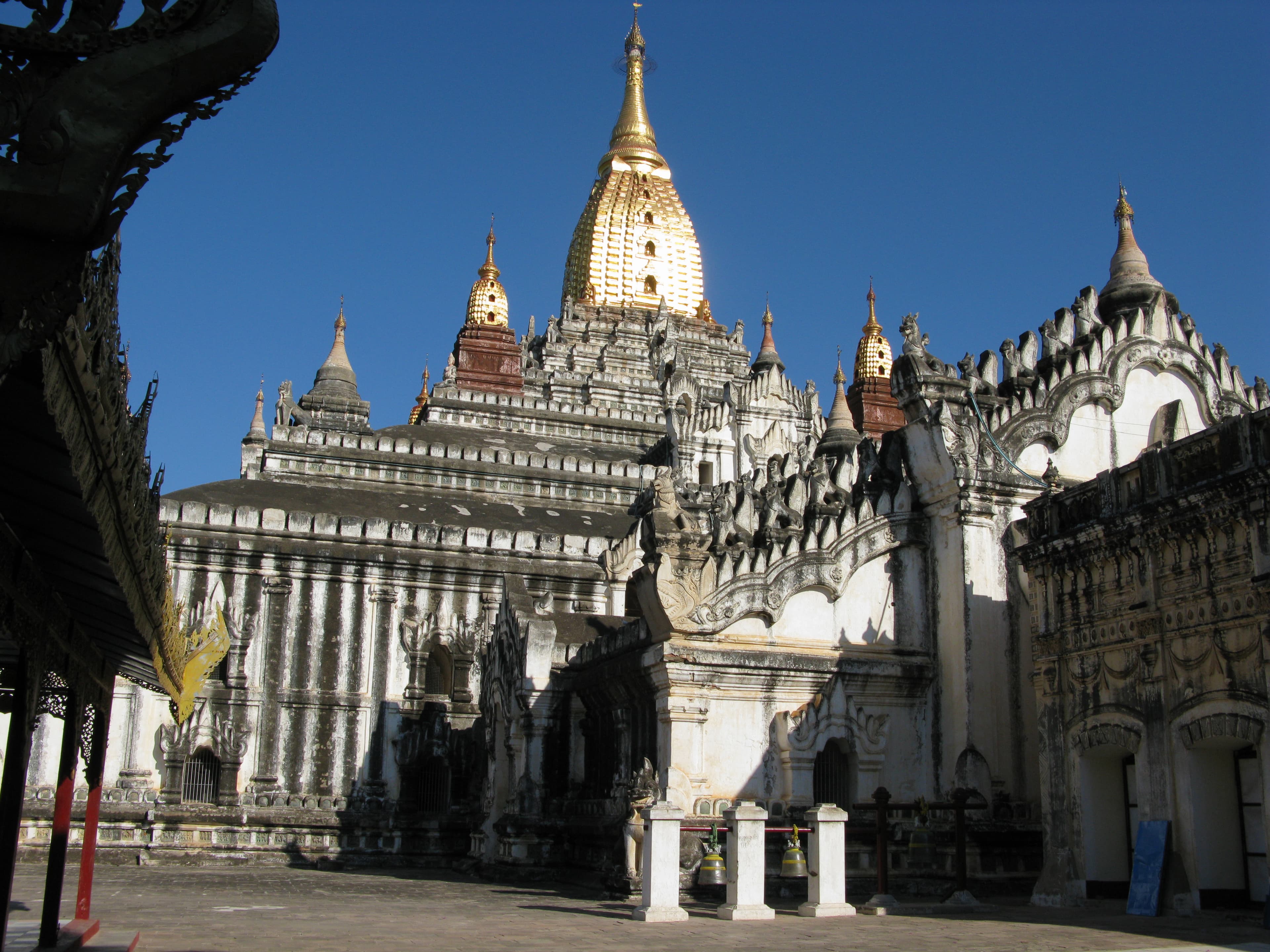
Ananda Temple
A major Bagan Buddhist temple whose symmetry, vertical mass, and interior Buddhas still make sacred order feel immediate.
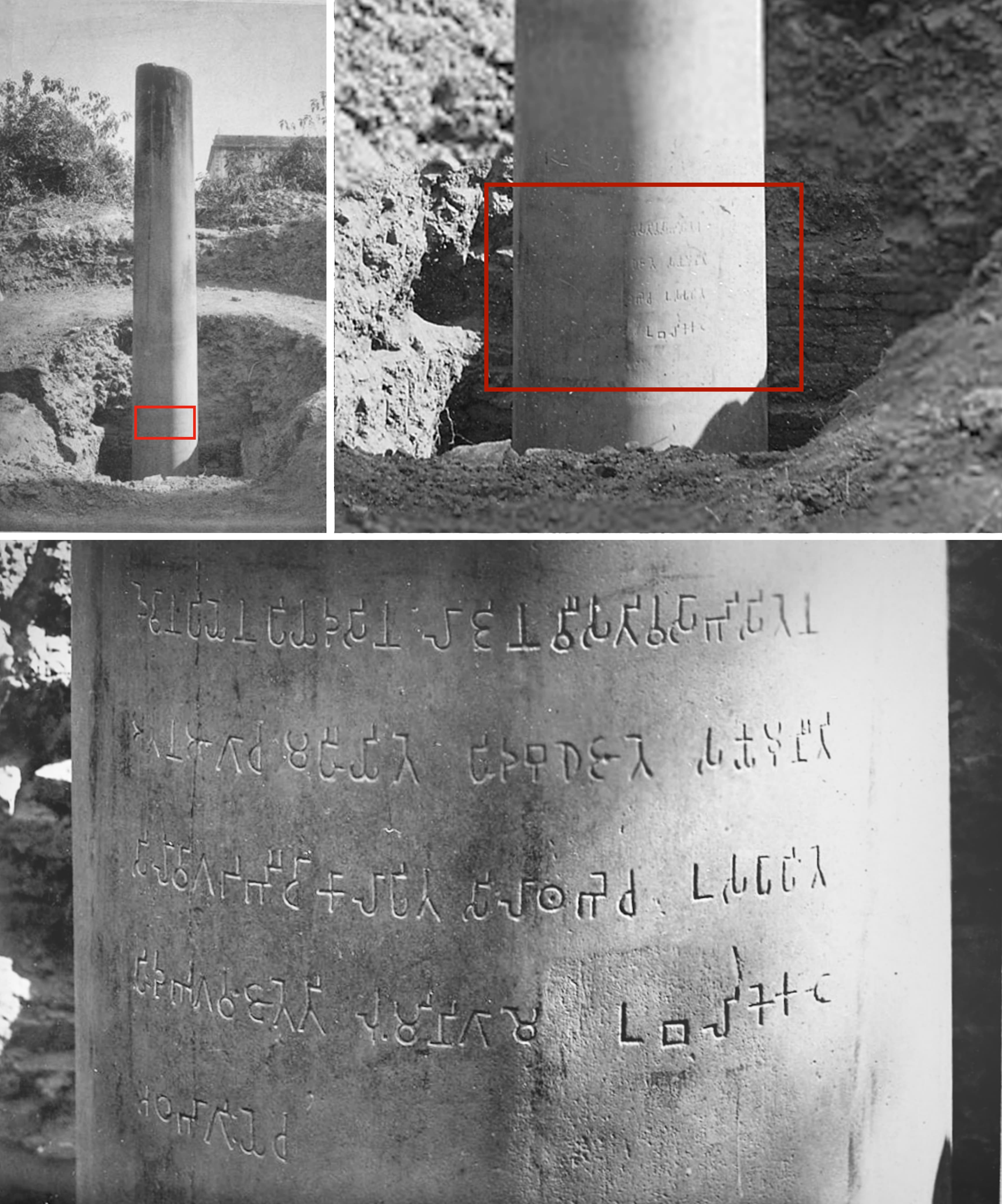
Ashoka pillar, Lumbini
A pillar in the Lumbini birthplace precinct where one pillar binds inscription, pilgrimage memory, and the wider birthplace precinct into a single point of orientation.
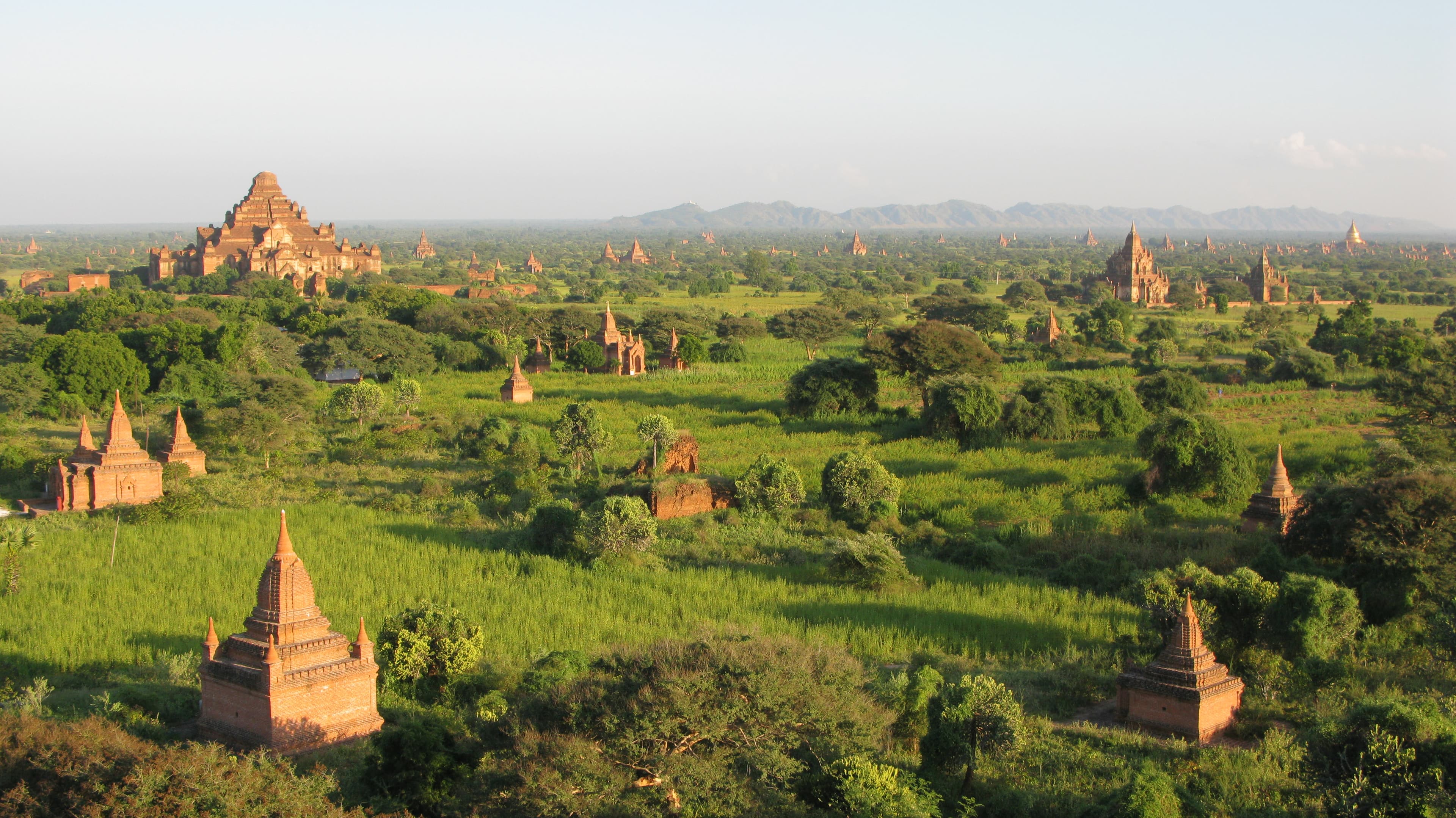
Bagan
A vast Buddhist plain of temples, stupas, monasteries, and pilgrimage memory that works as a sacred landscape rather than a single attraction.

Banteay Kdei
A quieter Buddhist temple at Angkor whose enclosed courts and worn galleries reward slower attention.
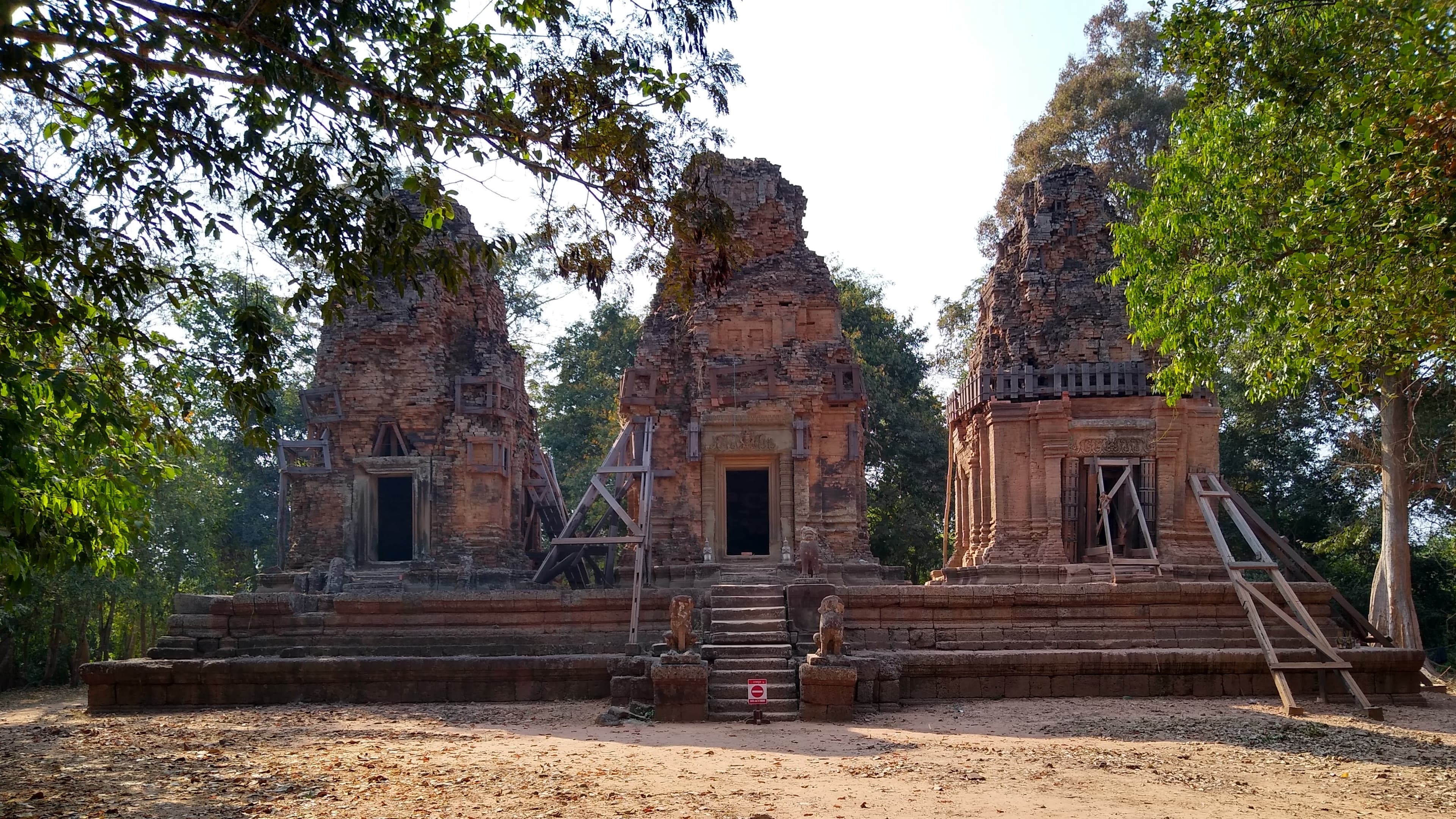
Bat Chum
A smaller Buddhist temple at Angkor where brick towers and modest scale create a quieter sacred rhythm within the larger monument field.
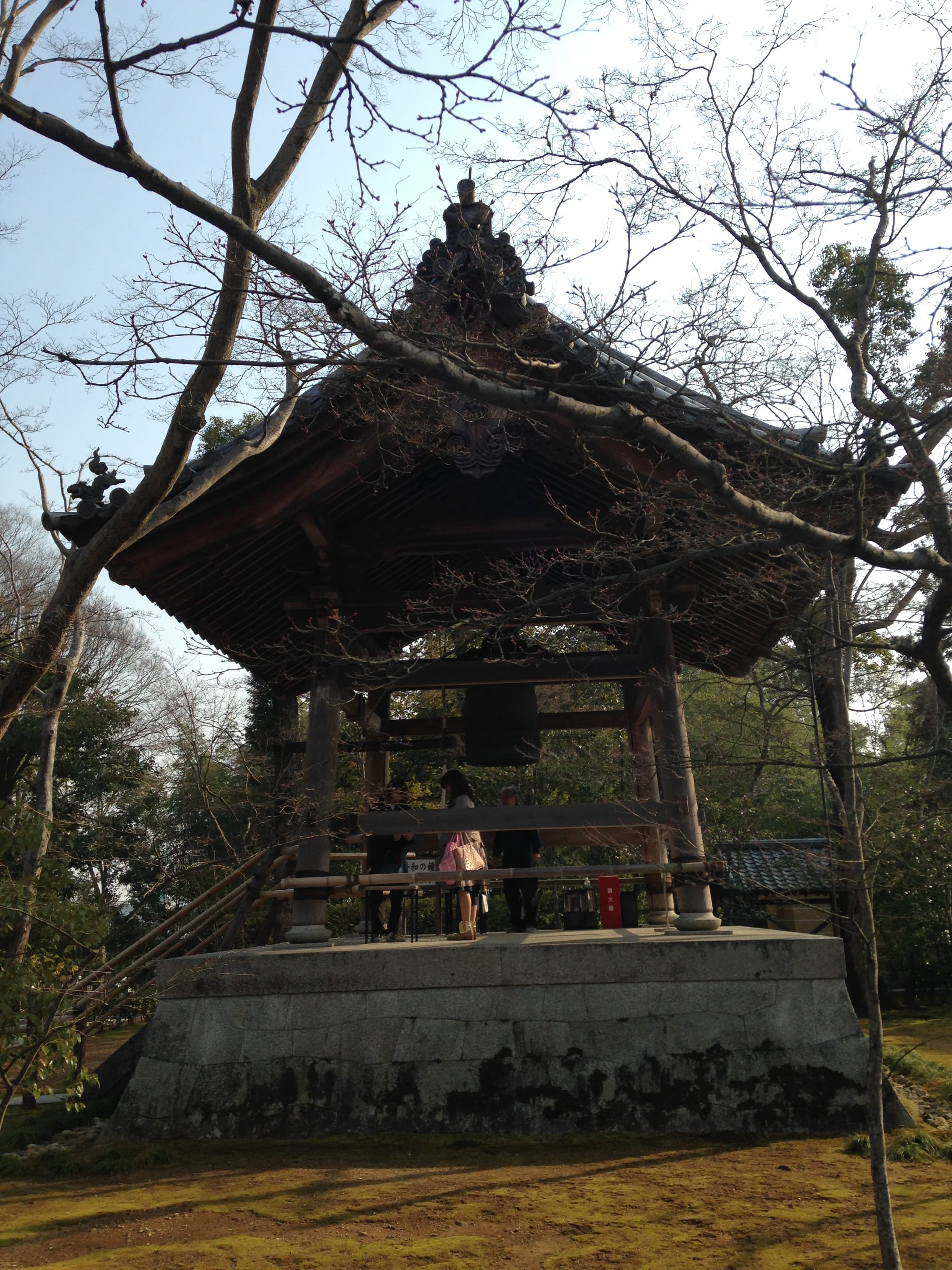
Bell Tower, Kinkaku-ji
A quieter Kinkaku-ji structure where temple sound and sacred rhythm still remain legible.
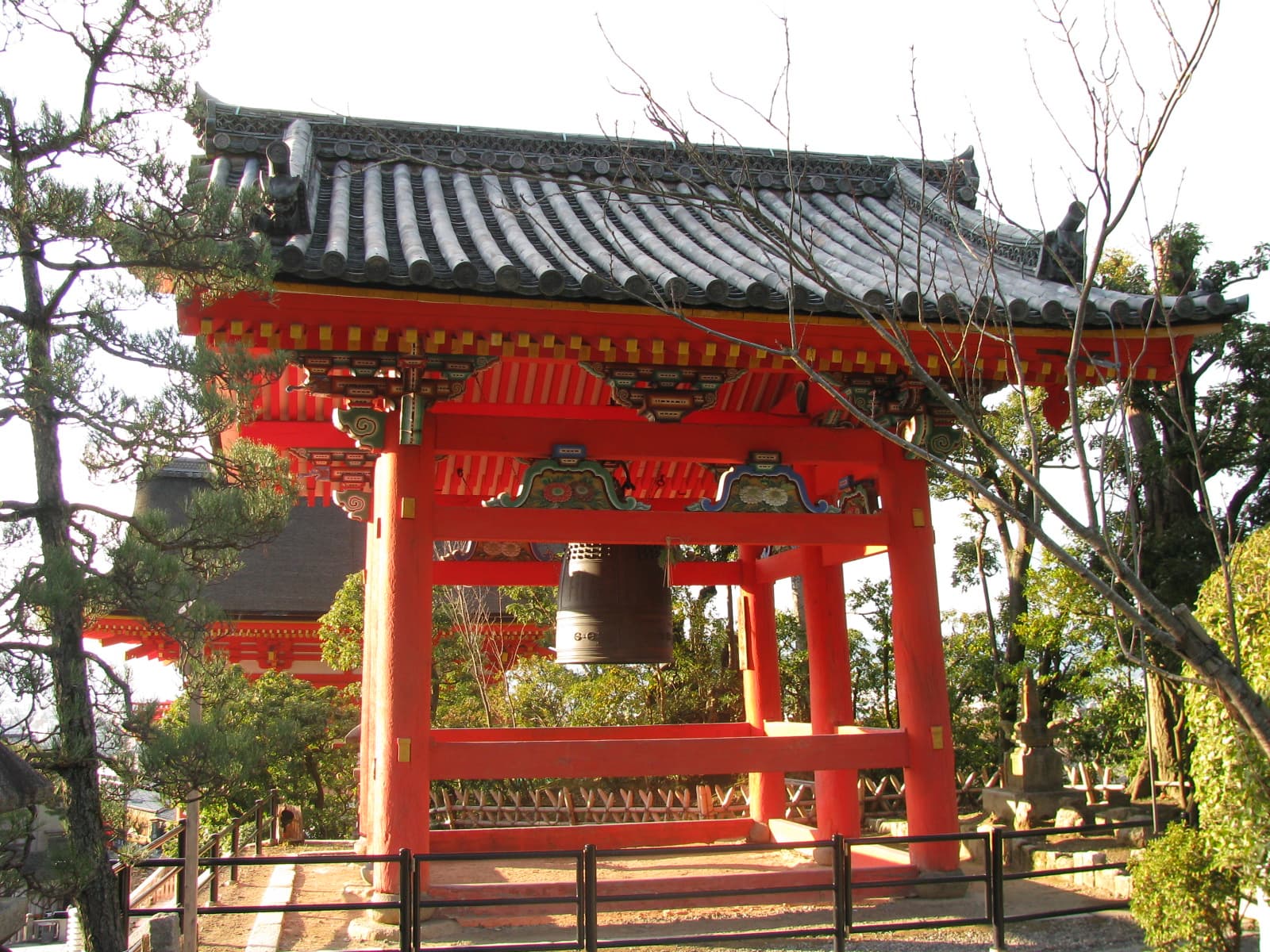
Bell Tower, Kiyomizu-dera
A quieter Kiyomizu structure where the temple's older rhythm of sound and sacred time still remains legible.
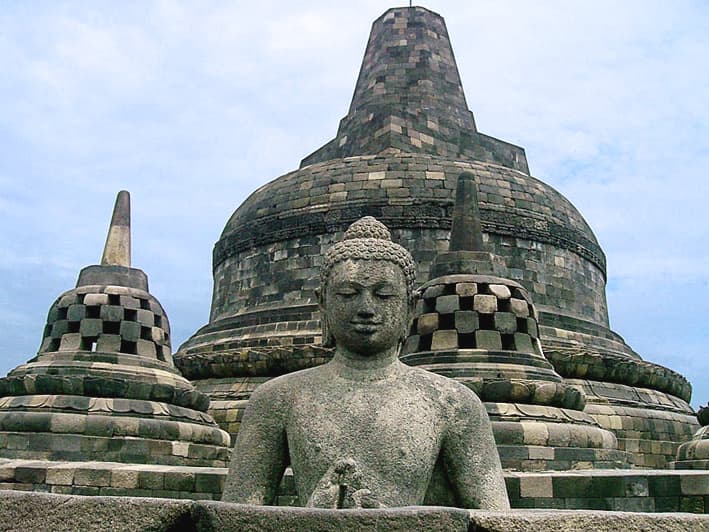
Borobudur
A monumental Buddhist mandala in stone, read best as sacred topography rather than a single building.
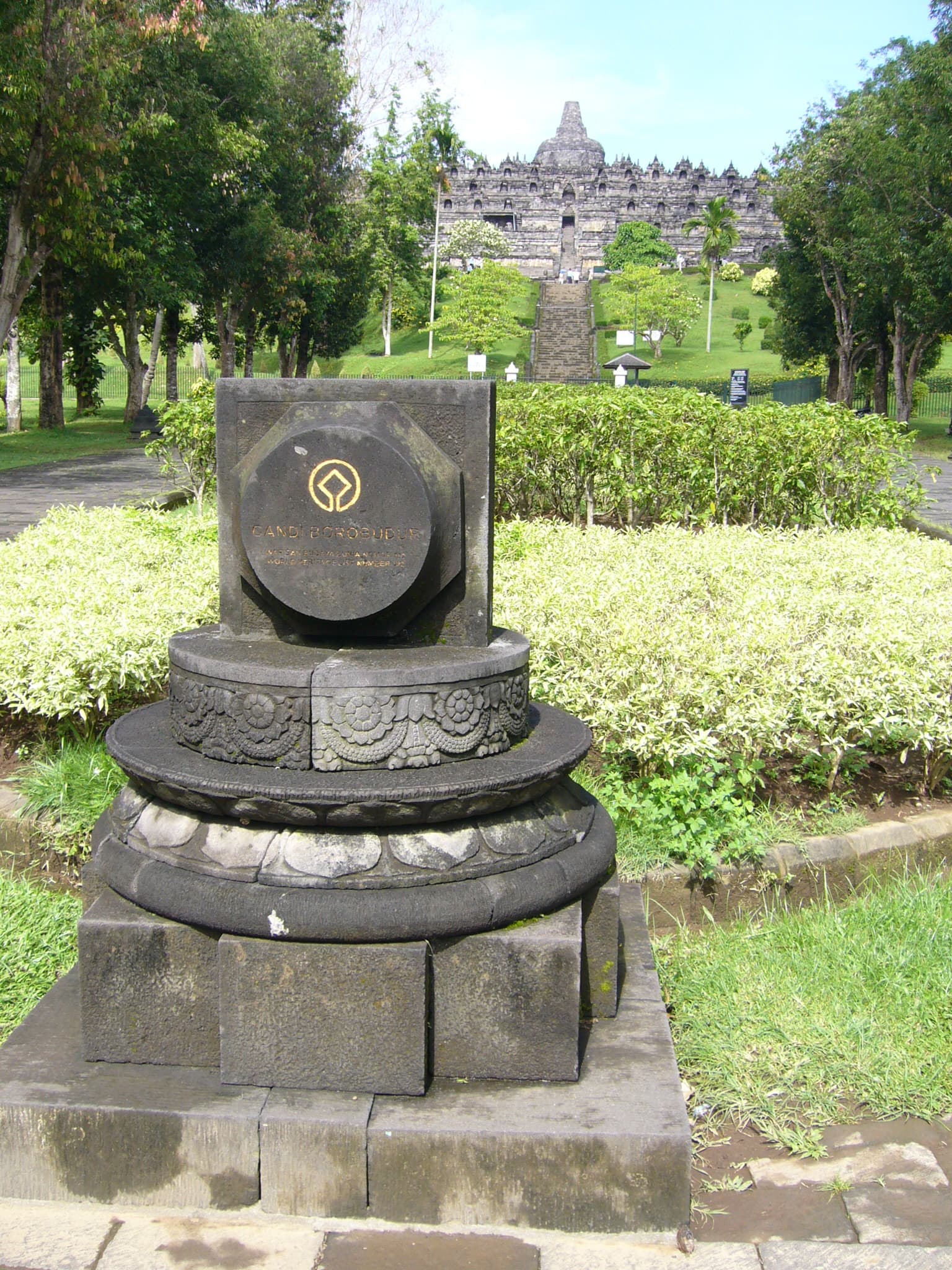
Borobudur Temple Compounds
A three-temple Buddhist ritual ensemble where linked monuments, sacred alignment, and processional logic still keep the compounds legible as one sacred landscape rather than Borobudur alone.
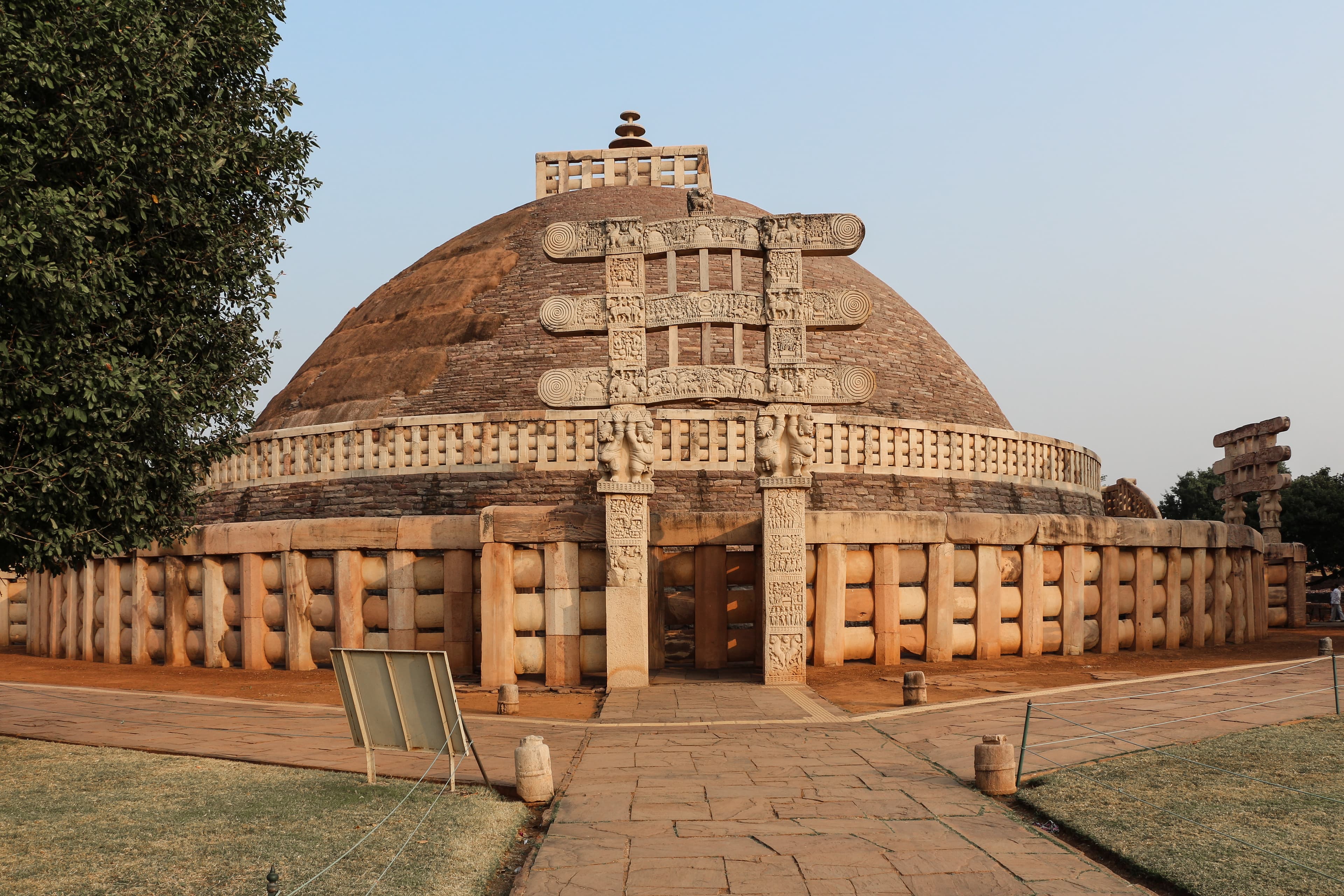
Buddhist Monuments at Sanchi
A hilltop Buddhist sanctuary in central India where stupas, gateways, temples, and monastic remains still read as one early sacred landscape rather than a single famous monument.
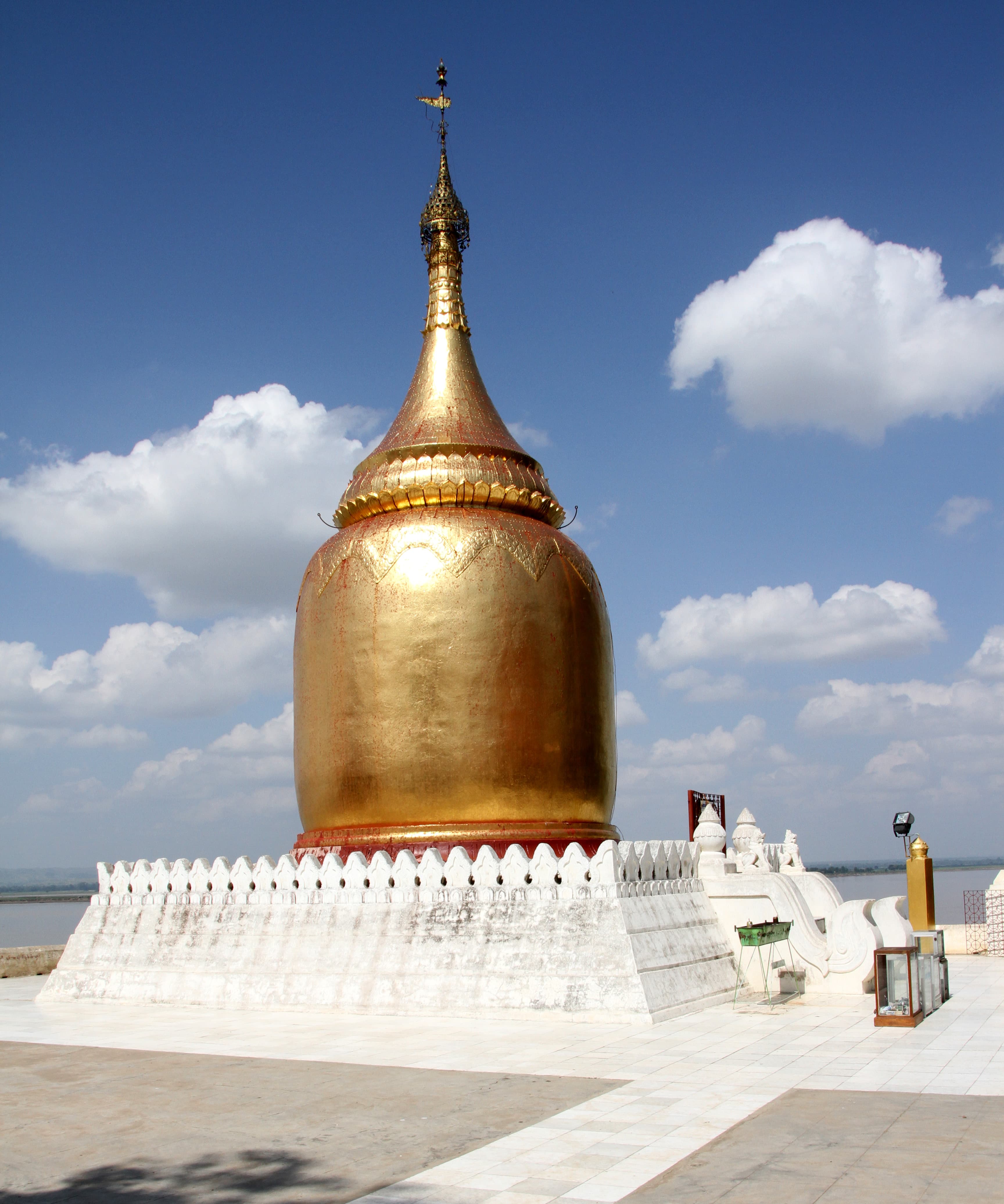
Bupaya Pagoda
A river-edge Bagan pagoda that keeps the stupa, pilgrimage, and waterfront dimensions of the sacred landscape visible together.
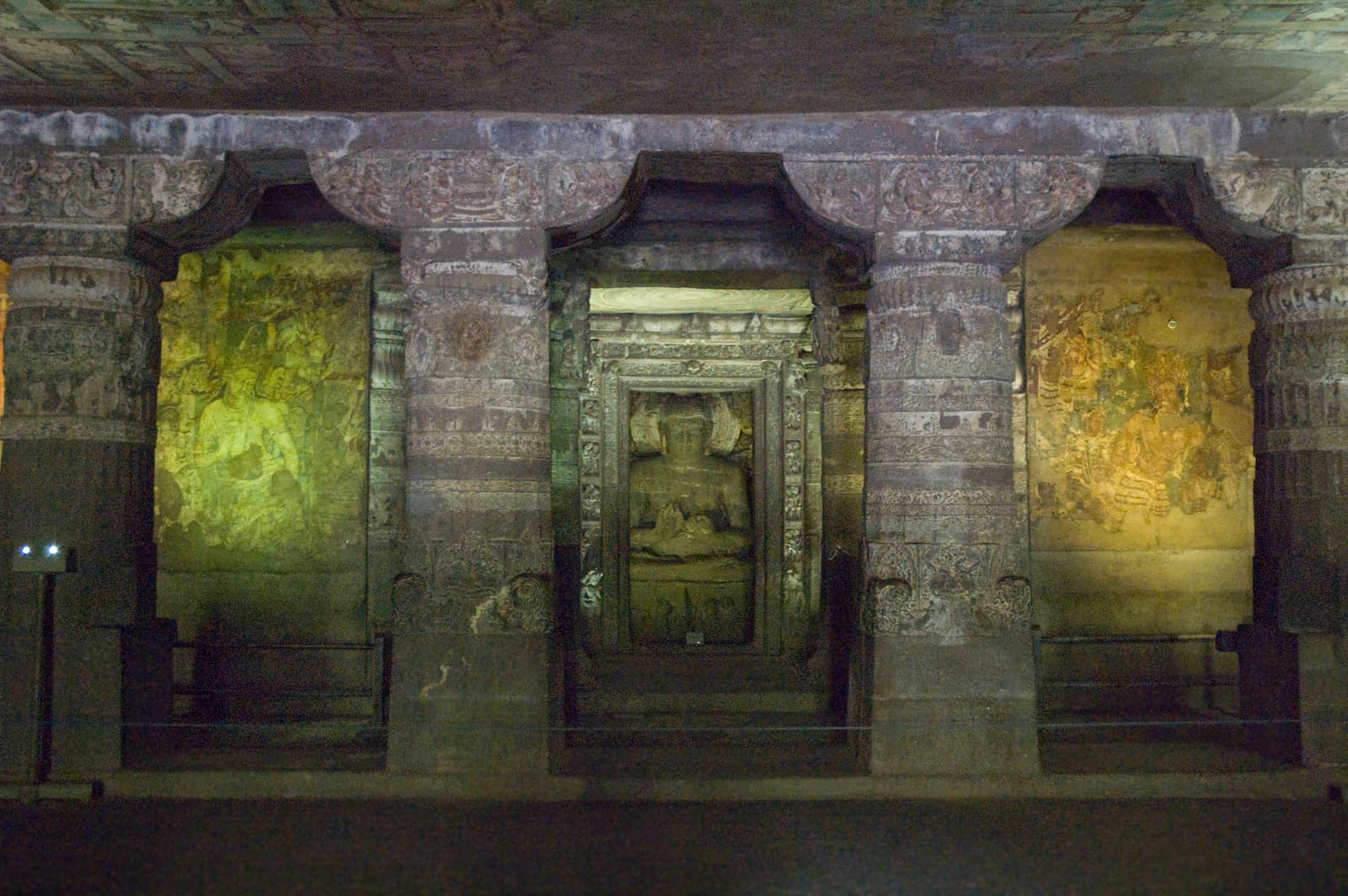
Cave 1, Ajanta
A monastery cave in the Ajanta cliff sanctuary where shrine hall, monastic space, and mural program still hold together as one concentrated Buddhist devotional environment.
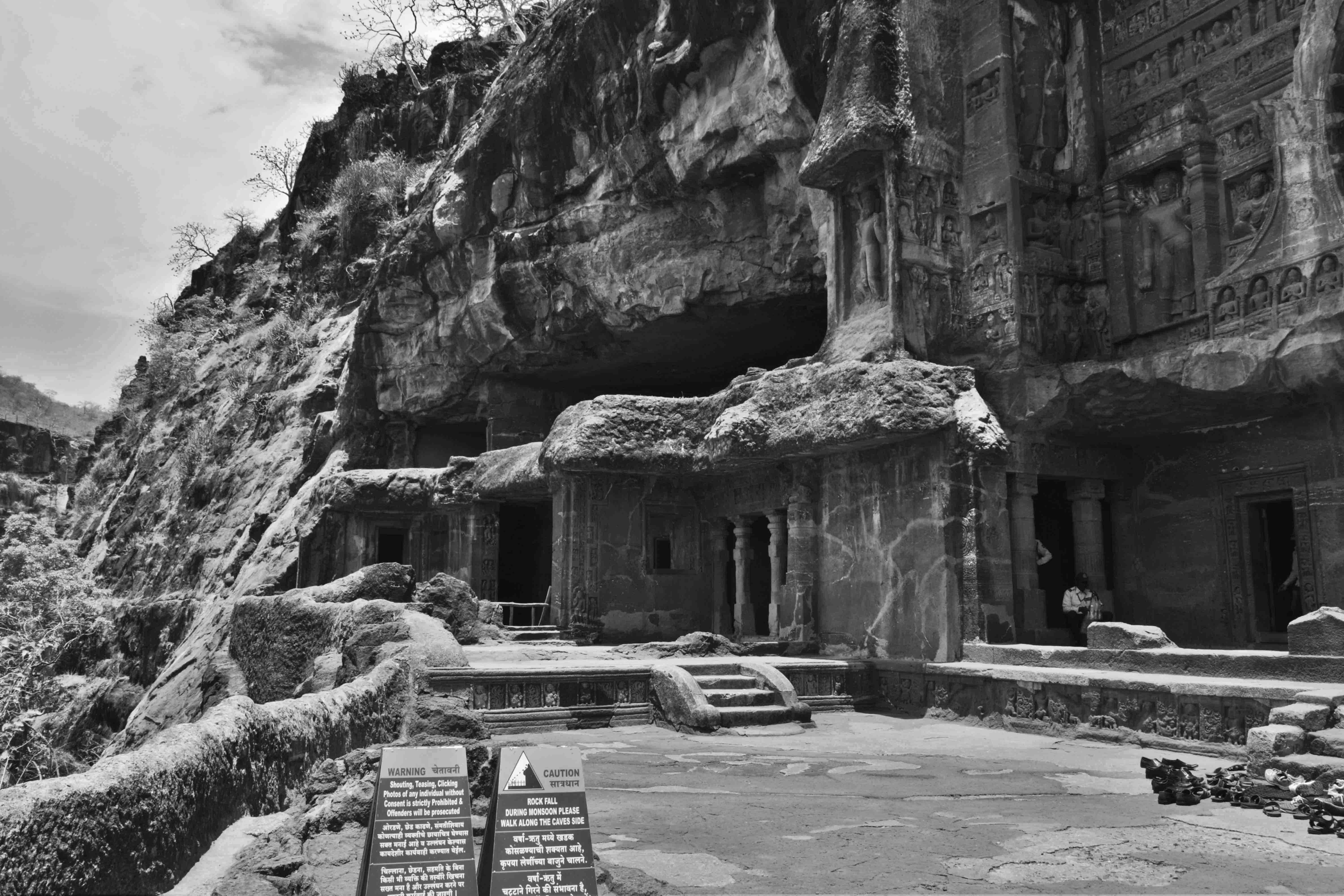
Cave 10, Ajanta
A chaitya hall in the Ajanta cliff sanctuary where the apsidal hall and stupa axis preserve one of Ajanta's clearest early Buddhist worship spaces.
.jpg&w=3840&q=75)
Cave 11, Ajanta
A monastery cave in the Ajanta cliff sanctuary where shrine room, cells, and interior proportions keep the cave legible as a lived religious space rather than a minor recess between larger monuments.
.jpg&w=3840&q=75)
Cave 12, Ajanta
A monastery cave in the Ajanta cliff sanctuary where a more austere hall and cell arrangement still communicate the disciplined sacred logic of early monastic cave architecture.
Cave 13, Ajanta
A monastery cave in the Ajanta cliff sanctuary where small size and simple excavation do not erase the cave's role as part of the Buddhist monastic environment of Ajanta.
Cave 14, Ajanta
A monastery cave in the Ajanta cliff sanctuary where incompletion itself reveals the making of Buddhist monastic space without erasing the cave's intended sacred role.
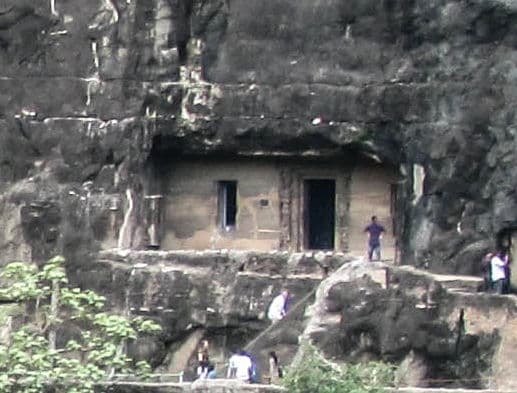
Cave 15, Ajanta
A monastery cave in the Ajanta cliff sanctuary where the cave's smaller proportions keep attention on the relationship between facade, hall, and shrine rather than on spectacle alone.