Source-backed map
Map of UNESCO sacred sites
Use this map when you want sacred places that already carry an explicit heritage-authority layer, not just travel interest or visual appeal.
How this map is built
The theme is editorial, but the waypoints still have to earn their place
Every waypoint on this page carries a heritage-authority signal, usually UNESCO, so the map stays tied to explicit protected-site framing rather than a loose visual theme.
Regional clusters
See where this map thickens into a real geography
These region links turn the theme back into spatial clusters once the broad lens is clear.
Featured waypoints
Start with the strongest pages on this map
These anchors are ranked by theme fit, source strength, and route relevance.

Amida Triad and Other Paintings, Yakushi-ji
Yakushi-ji's Jikidō painting program, where the Amida Triad and Buddhist transmission scenes turn the hall into a devotional interior.

Sho-Kanzeon Bosatsu Statue, Yakushi-ji
Yakushi-ji's Shō-Kanzeon image, where Kannon devotion and early sculpture meet inside Tōindō.

Statue of Genjo, Yakushi-ji
Yakushi-ji's Genjō statue, where relic veneration and Hossō lineage memory meet.

Statues of the Four Heavenly Kings, Yakushi-ji
Yakushi-ji's Four Heavenly Kings, guardian figures that frame Tōindō's sacred center with protective force.
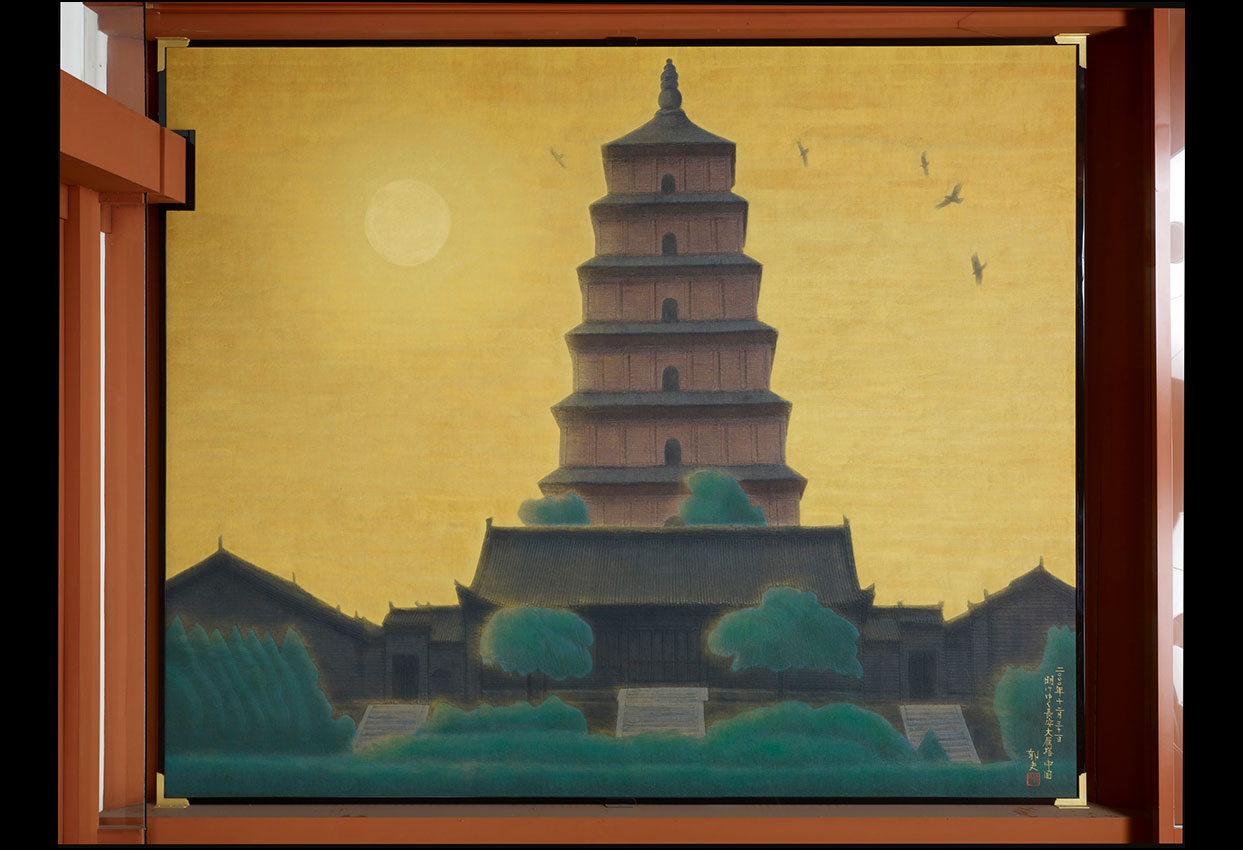
Wall Paintings of Genjo's Travels, Yakushi-ji
Yakushi-ji's Genjō mural cycle, where Xuanzang's pilgrimage is painted into the temple's modern devotional route.

Haiden, Ujigami Jinja
A low wooden prayer threshold that makes Ujigami Shrine's worship sequence visible.
Source-backed waypoints
Each stop keeps the source layer visible
This is the lightweight map version: no pins yet, but every waypoint is still grounded in explicit source signals.
Routes
Journeys already live inside this map
When the geography should turn back into sequence, start with these route pages.