Living sacred site
Mission San Jose y San Miguel de Aguayo
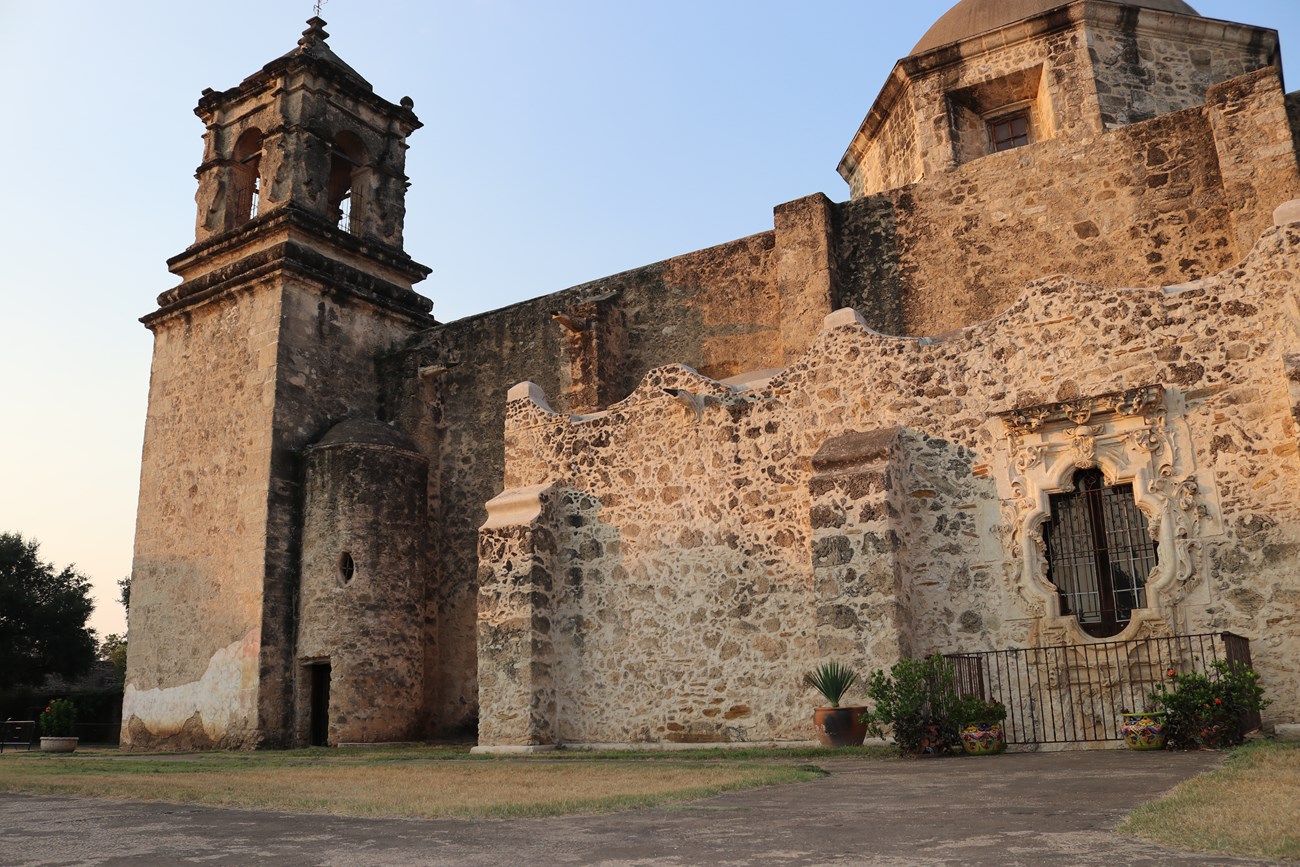
Mission San Jose y San Miguel de Aguayo preserves a large San Antonio mission enclosure, where church, quadrangle, perimeter walls, and parish use still define the compound.
At a glance
- Official sourceparkplanning.nps.gov
- Citations9 citations
- Hero imagePublic domain via official-site
- Latest source check2026-06-21
How to read this place: San Jose's grand scale gains religious weight from parish continuity, quadrangle movement, and compound life.
Plan your visit
A large San Antonio mission compound where parish worship, courtyard scale, defensive walls, and preserved community layout remain visibly connected.
Respect essentials
What stands out
Why this place matters
Historical background
History
Mission San Jose y San Miguel de Aguayo belongs to the eighteenth-century San Antonio mission system, but it should be read as a community plan before it is read as a single church facade. UNESCO includes the San Antonio missions as a cultural landscape in which mission compounds, churches, farms, ranching lands, irrigation works, and Indigenous-Spanish community formation all matter together. The NPS history for San Jose starts the local story in 1719, when Father Margil de Jesus, then connected with Mission San Antonio de Valero, sought permission from the Marques de Aguayo to found another mission south of the first San Antonio mission. The founding ceremonies took place on February 23, 1720, and the Writ of Possession established San Jose y San Miguel de Aguayo as a new mission community. NPS describes leaders from three Indigenous bands entering the new community structure, with offices assigned inside the mission order, which makes the site a record of religious conversion, colonial administration, and Indigenous adaptation under pressure. The large compound visitors see today grew from that contested mission world, not from a later scenic preservation idea.
The NPS account places the limestone church in the mature phase of the mission. Construction began in 1768, when the mission was near its height and when 350 Indigenous residents lived in 84 two-room apartments. That detail matters because the building was not an isolated chapel for occasional services. It was the focus of a settlement with residents, soldiers, work spaces, food production, worship, instruction, and daily bells. NPS explains that the mission program aimed to draw Indigenous hunters and gatherers into Catholic instruction, Spanish colonial labor patterns, new diets, new clothing, and new names. A day in 1778 included religious instruction, Mass, prayer at noon, agricultural work, skilled trades, food preparation, guard duty, and evening social life. Those details help the visitor see the quadrangle, rooms, granary, grist mill, and church as parts of one managed mission economy. The famous title Queen of the Missions comes from the scale and beauty observed in the eighteenth century, but its deeper historical value is that the compound preserves the ambition and coercive structure of a church-centered colonial town.
San Jose also has a long post-mission history. NPS says the mission ceased to be a mission on February 29, 1824, when Father Diaz complied with Mexican government secularization orders and mission property was turned over to mission Indians living there. After secularization, the compound declined, then various Catholic communities ministered from the ruins, including Benedictines, Redemptorists, and Holy Cross Fathers. Franciscans returned in 1931 and remain connected with the site. The 1930s restoration by the Works Progress Administration gave San Jose much of the coherent compound form that visitors now navigate, almost restoring it to its original design according to NPS. That restoration is part of the place's modern history and should not be hidden. It shaped how the mission is experienced today while also preserving much older stonework, courtyards, and sacred use. UNESCO's listing frames San Jose within the larger San Antonio Missions property, and the NPS planning material notes that the four park missions have active parish churches. The result is a layered site: eighteenth-century mission, nineteenth-century secularized ruin, twentieth-century preservation project, National Historical Park, World Heritage component, and active Catholic parish setting.
NPS interpretation also keeps the Indigenous history central. It notes that the term Coahuiltecan is a later umbrella name for many distinct bands across Coahuila y Tejas, and that many Mission Descendants trace ancestry to those South Texas and northern Mexico communities. That context changes how the preserved compound should be read. The apartments, work spaces, church, fields, and walls were not only Spanish colonial design achievements. They were places where Native families entered a new order of worship, labor, language, kinship pressure, and survival. San Jose's preservation now asks visitors to see the labor of Indigenous residents in the stone structures and irrigation systems that the National Park Service protects. The mission's modern public meaning therefore depends on both Catholic continuity and a clearer account of the people whose lives were reorganized inside the mission system.
The practical preservation story is part of that history too. The official NPS hours and basic-information pages present San Jose as one of several visitor areas in a park whose historic buildings now receive heavy public use. The structures were not built for modern crowds, and the mission landscape must be managed through hours, alerts, visitor-center interpretation, and preservation rules. That modern management does not replace the mission's older story. It is the current layer through which visitors encounter it: a protected public site, a parish church, a World Heritage component, and a place where Indigenous, Spanish, Mexican, Catholic, and American preservation histories remain visible in the same compound.
Sacred meaning
Sacred context
The sacred context of Mission San Jose begins with its Catholic parish church, but the church cannot be separated from the mission compound around it. NPS describes Spanish missions as communities, not only churches, with the church as the focus. That means the sanctuary, bells, apartments, work areas, irrigation, teaching, and surrounding rooms formed one religious order of daily life. For Indigenous residents, this order was not neutral. The NPS account names conversion, religious instruction, new labor routines, Spanish cultural pressure, and changed names as parts of mission life. A respectful visitor should therefore hold two truths together: the church remains a sacred Catholic space, and the mission system also records colonial disruption for Indigenous families. UNESCO's cultural-landscape framing supports that broader reading because the San Antonio Missions are valued through settlement, religion, water systems, and cross-cultural transformation, not simply through picturesque church architecture.
The active-parish layer gives San Jose a present sacred life. NPS planning material identifies the four park missions as active parish churches under the Archdiocese of San Antonio, and the NPS San Jose page notes that families worship here today in continuity with faith taught at the mission. That claim should be handled carefully. It is not a reason to romanticize the mission period. It is a reason to treat the sanctuary, services, and parish rhythms as current religious practice. The church bells described in NPS interpretation once structured mission days around worship and work; today, parish worship and visitor interpretation share the same compound. The visitor's task is to notice how sacred use has changed without flattening the site into a museum. Mass, prayer, parish events, and posted rules deserve priority over photography or route completion.
San Jose's ornament also belongs to sacred context. NPS explains that the facade's stone imagery carried Catholic and Spanish cultural symbols, and that much of the imagery draws from long Christian traditions. The Rose Window, saints, statuary, and carved surfaces are not just decorative details. They are part of a teaching system that used architecture and image to communicate faith in a mission community where languages, identities, and power relations were being remade. The practical etiquette follows from that layered meaning: do not climb or touch fragile structures, move cautiously through old rooms and uneven surfaces, keep voices low near worship, and let NPS or parish guidance decide where visitors may stand. The official NPS basic-information page stresses preservation and safety because the buildings were not made for modern visitor volume. That warning is also a form of respect for the sacred fabric, since protecting the site protects the parish memory, Indigenous labor history, and public heritage value at once.
FAQ
Sources
- Official websitePrimary visitor-facing site for current access and institutional context.
- UNESCO entryPrimary authority source for the San Antonio Missions World Heritage property and its component missions.
- Wikipedia entryWikipedia article for Mission San José.
- San Antonio Missions (Property 1466)Primary authority source for the San Antonio Missions World Heritage property and its component missions.
- San Antonio Missions National Historical Park planning overviewNPS planning document stating that the four park missions have active parish churches managed by the Archdiocese of San Antonio.
- Mission San Jose | San Antonio Missions National Historical ParkOfficial NPS overview for Mission San Jose y San Miguel de Aguayo.
- Mission San Jose (Q6878730)Entity anchor for Mission San Jose y San Miguel de Aguayo in San Antonio.
- Category:Mission San Jose y San Miguel de AguayoVisual context for Mission San Jose and its church-centered compound.
- Mission San JoséWikipedia article for Mission San José.
- Operating Hours & Seasons - San Antonio Missions National Historical ParkOfficial NPS hours page for current park hours, grounds access, closures, and alert fallback.
- Fees & Passes - San Antonio Missions National Historical ParkOfficial NPS fee page stating that no entrance pass is required for San Antonio Missions National Historical Park.
- Basic Information - San Antonio Missions National Historical ParkOfficial NPS visitor context for the four mission areas, fragile structures, uneven surfaces, and preservation rules.
Nearby places
Nearby sacred places in Southwest United States
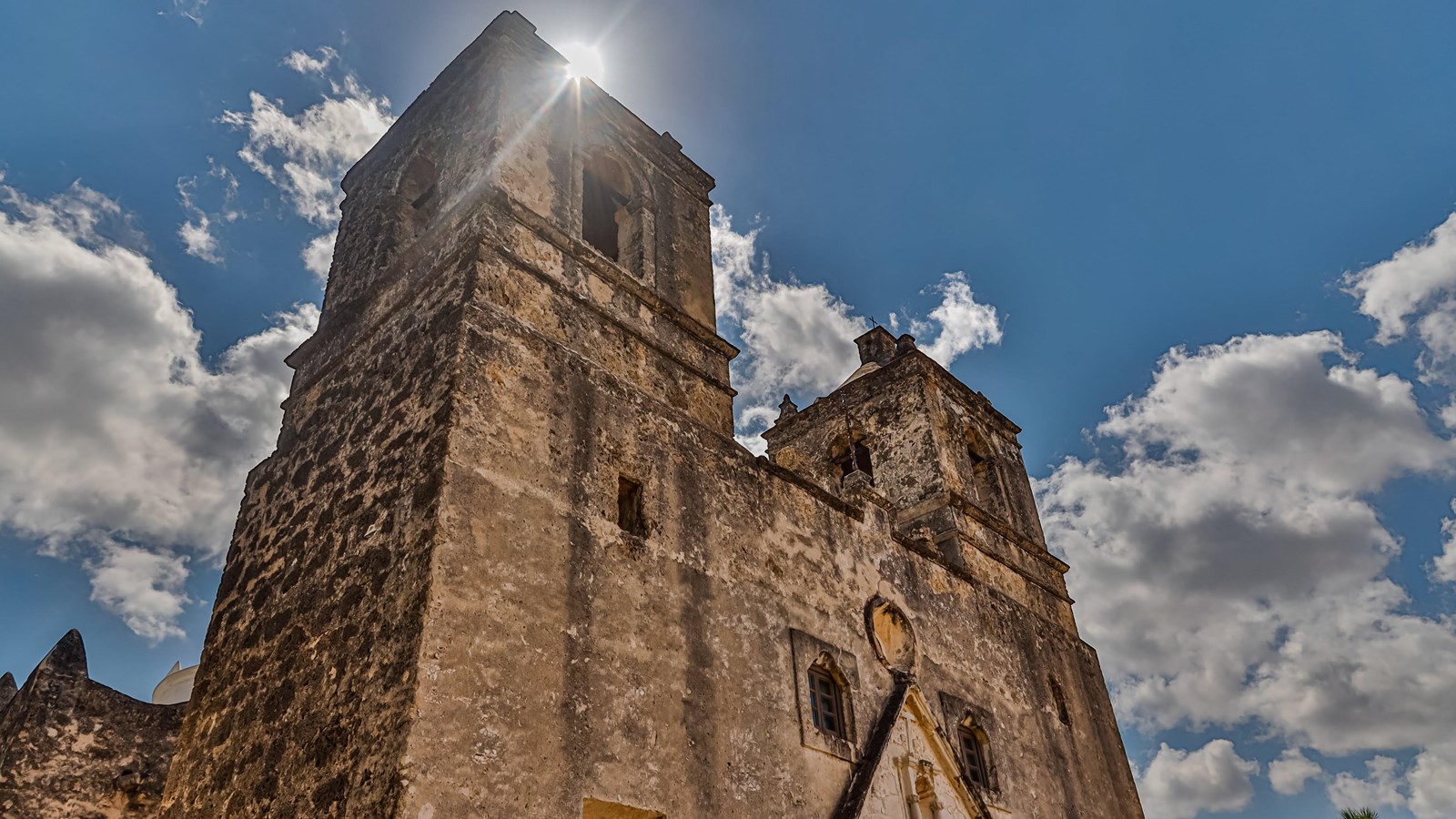
Mission Concepcion
A San Antonio mission where an old church continues in worship, with grounds and river history keeping the larger mission setting visible.
Mission San Francisco de la Espada
A quieter southern San Antonio mission where church life, irrigation traces, open grounds, and former fields remain part of one Catholic landscape.
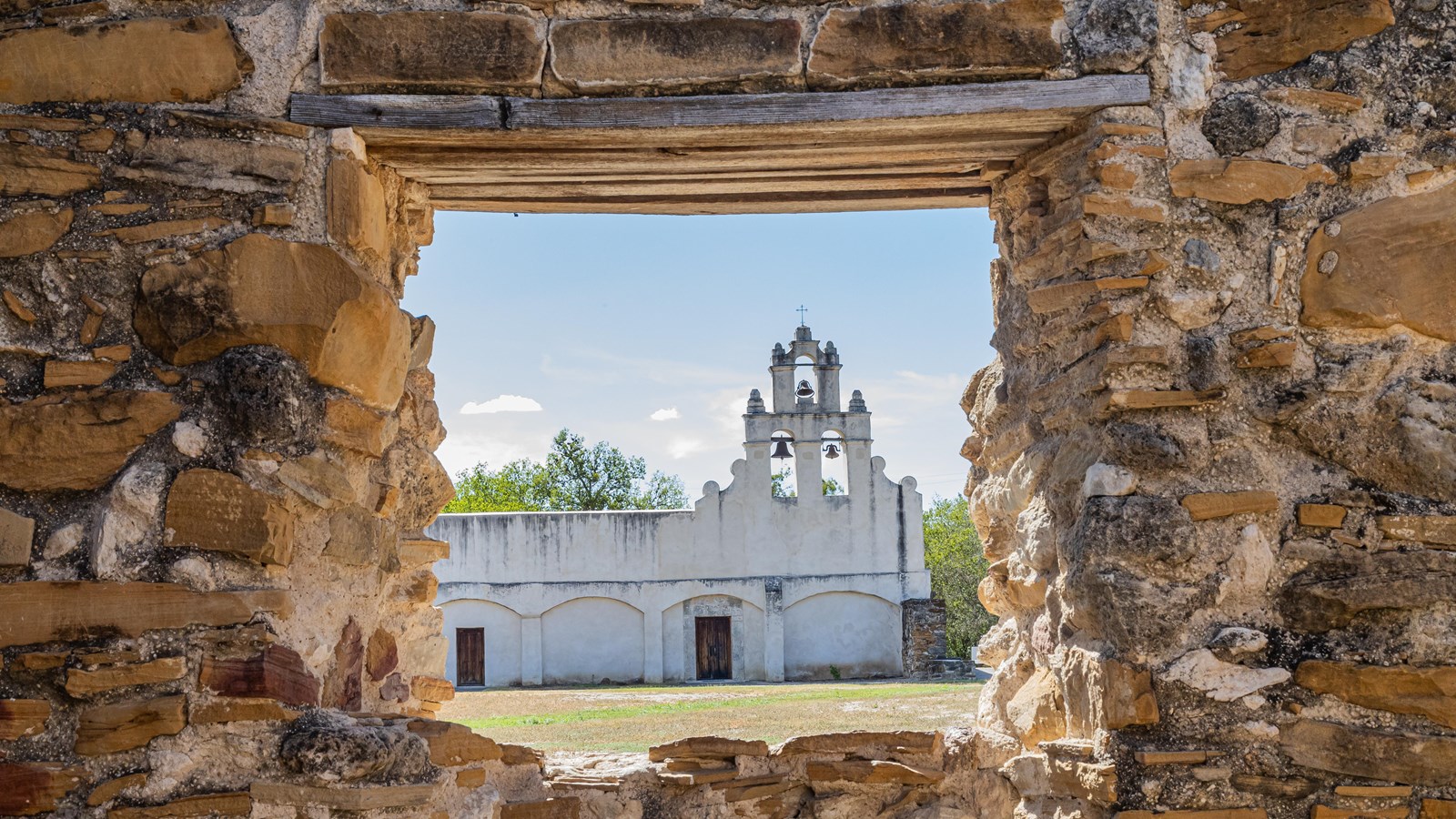
Mission San Juan Capistrano
On San Antonio’s southern mission route, San Juan offers a quieter parish church, broad grounds, and a landscape memory of fields and community life.

San Antonio Missions
A UNESCO-listed Texas mission chain of churches, compounds, irrigation canals, parish life, and river-corridor heritage.
Keep exploring