Living sacred site
Mission San Juan Capistrano
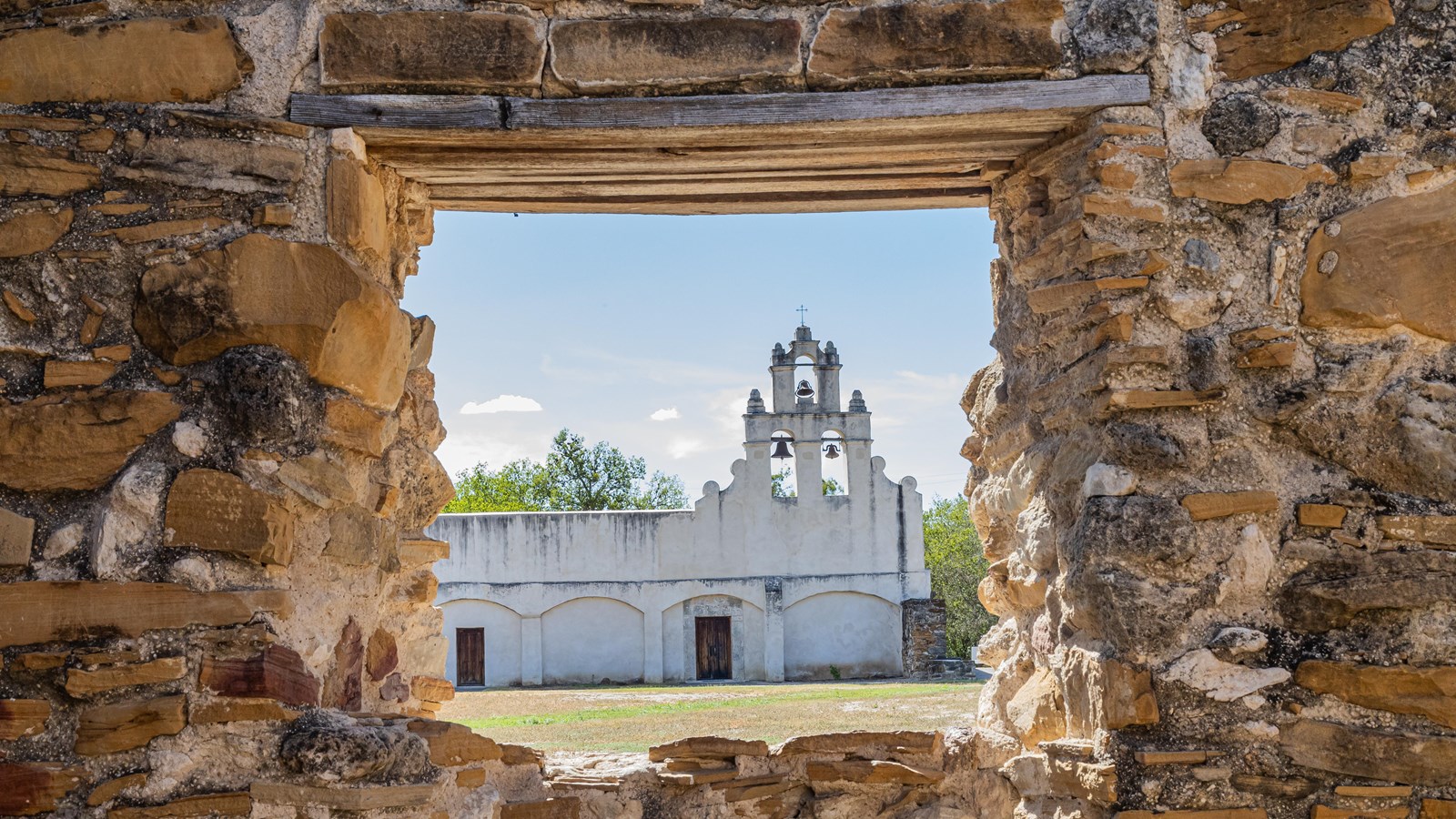
Mission San Juan Capistrano is a World Heritage component in San Antonio with an active Catholic parish church inside National Park Service grounds. The visit is defined by quiet scale: the chapel area, open landscape, and neighborhood setting show continuity without the heavy monumentality of better-known mission stops.
At a glance
- Official sourceparkplanning.nps.gov
- Citations6 citations
- Hero imagePublic domain via official-site
- Latest source check2026-04-25
How to read this place: Organize San Juan around quiet scale, parish worship, NPS grounds, and its contrast with larger San Antonio mission compounds.
Plan your visit
A southern San Antonio mission where open landscape and parish continuity carry the story more than monument size.
Respect essentials
What stands out
Why this place matters
Historical background
History
Mission San Juan Capistrano's history begins before its San Antonio buildings. The National Park Service traces it to an East Texas mission founded in 1716 as Mission San Jose de los Nazonis, then moved to the San Antonio River in 1731 and renamed San Juan Capistrano. That relocation is central because it explains why this mission belongs to a wider colonial system and cannot be reduced to a single picturesque ruin. The San Antonio missions were designed as religious, agricultural, and settlement communities where Spanish colonial authority, Franciscan mission work, Indigenous labor, and local survival were tightly linked. NPS material describes San Juan as a self-sustaining community whose Indigenous artisans produced tools, cloth, and prepared hides, while orchards, gardens, irrigated fields, and ranching supported both the mission population and nearby settlements. This is the core historical identity of San Juan: a mission church and compound embedded in labor, food, water, and community life.
The eighteenth-century story also explains why San Juan feels quieter than some other San Antonio mission stops. NPS states that by 1756 the stone church, friary, and granary were complete, and that a larger church was begun later but abandoned when half complete after population decline. The same NPS account describes epidemics, raids, political changes, and changing support for the mission, while still noting that the community grew enough for a 1762 population of 203 Indigenous residents and a productive economy that included fields, workshops, and ranching. By the mid-1700s, San Juan was supplying agricultural produce along El Camino Real de los Tejas. Those details keep the page from reducing the mission to architecture alone. The remaining church, grounds, farm memory, and river-side landscape are historical evidence for a community that had to manage worship, colonial pressure, disease, labor, irrigation, and trade at the same time.
Modern preservation adds another layer to that history. UNESCO lists San Antonio Missions as a World Heritage property because the missions preserve a cultural interchange visible in churches, compounds, irrigation systems, farmland patterns, and continuing community associations. San Juan is especially useful for that broader reading because NPS still interprets the farm, acequia-fed landscape, Yanaguana Trail, and active neighborhood setting. These features prevent the mission from being read only as a colonial church facade. They show how water management, agriculture, parish life, and protected public land now carry the memory of the mission community. The historic church and unfinished larger church explain one part of the story, but the fields and trails explain another: San Juan's sacred and civic life depended on land, labor, river access, and local continuity. A strong visitor account should connect those elements instead of treating the mission as a quiet outlier in the San Antonio chain.
The mission's present form also records choices made after the Spanish colonial period. The National Park Service now manages the grounds as part of San Antonio Missions National Historical Park, while parish life gives the church context a living Catholic dimension. That split stewardship is not a footnote. It shapes how the history is encountered: visitors move through federal parkland, interpreted mission remains, parish-sensitive spaces, and neighborhood landscape in one visit. San Juan's value comes from that layered survival. Its quieter scale lets the agricultural and community story stay visible, and that makes it an essential counterpoint to more monumental mission stops in the same World Heritage chain, especially when paired with the farm and river trail interpretation near the mission compound.
San Juan's history is also practical history. NPS material names orchards, gardens, maize, peppers, beans, squash, sweet potatoes, sugar cane, sheep, cattle, workshops, and the larger trade route. Those details belong in the page because they show how mission life was sustained day by day. The sacred building cannot be separated from irrigation, food production, craft labor, and the pressures placed on Indigenous residents. The surviving farm interpretation and trail system make that past visible in a way a church-only visit would miss. For publication quality, this is the page's strongest angle: San Juan is a mission where landscape, labor, worship, and neighborhood continuity carry as much meaning as the architecture. That emphasis also matches the current NPS interpretation of the site and its river landscape for visitors.
Sacred meaning
Sacred context
San Juan's sacred context is Christian and living, but it is also inseparable from the mission system's difficult colonial history. It is safe to state that the four park missions include active Catholic parish churches, because NPS planning material supports that, and that visitors should give worship priority over sightseeing. Sacred continuity should not be treated as a simple success story. At San Juan, sacred space includes the church, the mission compound, the memory of Indigenous community life, and the surrounding landscape that NPS presents through trails and demonstration farming. A respectful visit therefore holds two ideas together: the church remains a place of Catholic identity, and the mission grounds also ask visitors to notice the Indigenous labor and community history that made the institution possible.
Practical etiquette follows from that layered context. Visitors should stay quiet near the church, avoid interrupting services or parish activity, and treat any interior access as conditional. On the grounds, the more useful sacred reading is a slow route through church, paths, open landscape, acequia-fed farm memory, and the San Antonio River setting. NPS explicitly describes the continuing community around San Juan and points visitors toward the farm and Yanaguana Trail, so the sacred context extends beyond the chapel door. The visitor standard is simple: let worship, protected buildings, and community use lead; use the official NPS page for current access; and read the landscape as part of the mission's religious history, not as background scenery.
A careful visit should also leave room for discomfort. Mission churches can be beautiful and spiritually active while also carrying histories of coercion, disease, and cultural disruption. San Juan's sacred context is more honest when Catholic continuity, Indigenous community history, and park interpretation are held together. That is why the slow route through grounds and farm memory is not optional background; it is part of understanding the sacred place.
FAQ
Sources
- Official websitePrimary visitor-facing site for current access and institutional context.
- UNESCO entryPrimary authority source for the San Antonio Missions World Heritage property and its component missions.
- Wikipedia entryWikipedia article for Mission San Juan Capistrano.
- San Antonio Missions (Property 1466)Primary authority source for the San Antonio Missions World Heritage property and its component missions.
- San Antonio Missions National Historical Park planning overviewNPS planning document stating that the four park missions have active parish churches managed by the Archdiocese of San Antonio.
- Mission San Juan | San Antonio Missions National Historical ParkOfficial NPS overview for Mission San Juan and its still active community setting.
- Mission San Juan Capistrano (Q3295780)Entity anchor for Mission San Juan Capistrano in San Antonio.
- Category:Mission San Juan, San Antonio, TexasVisual context for Mission San Juan Capistrano and its grounds.
- Mission San Juan CapistranoWikipedia article for Mission San Juan Capistrano.
Nearby places
Nearby sacred places in Southwest United States
Mission Concepcion
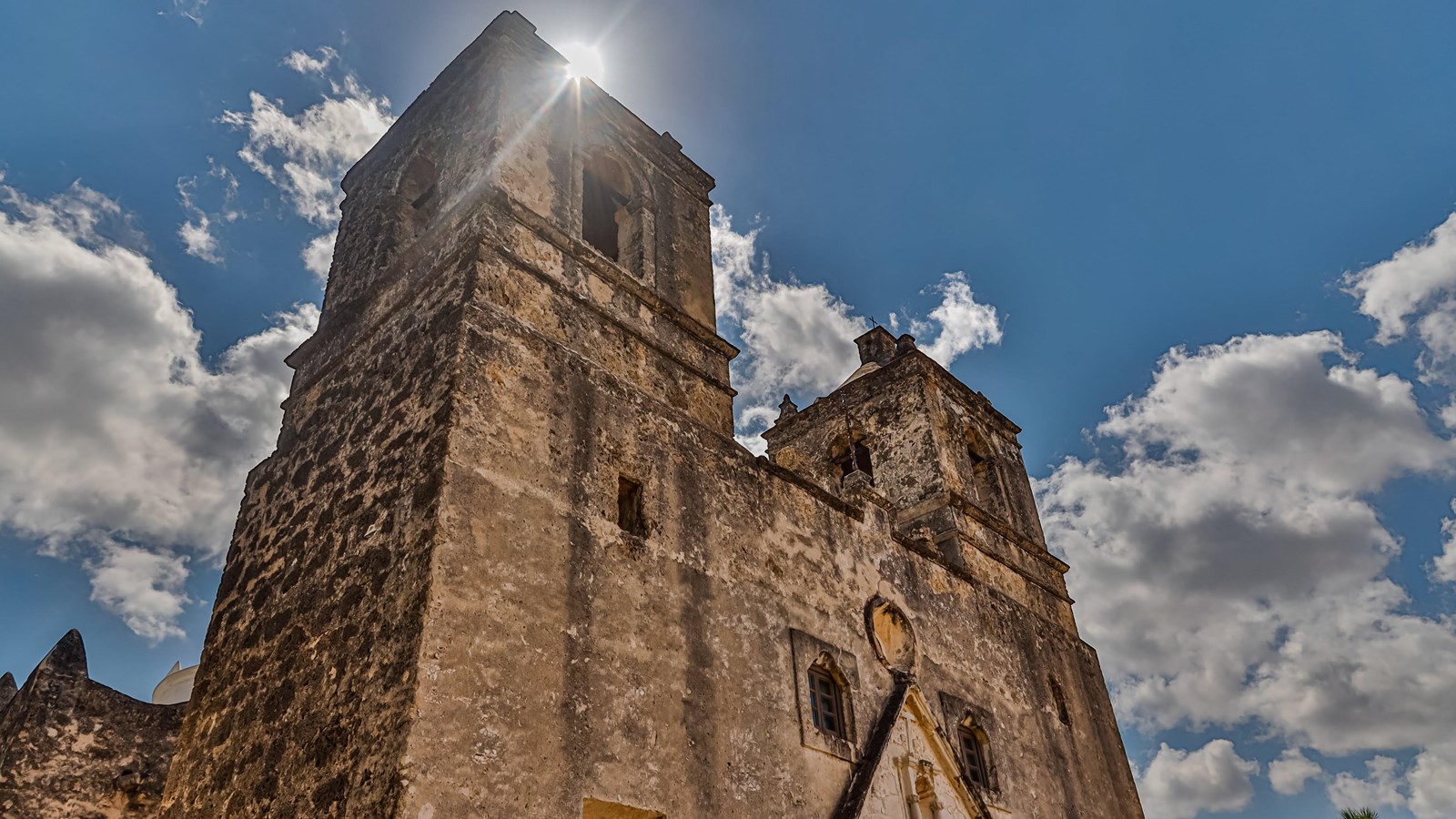
A San Antonio mission where an old church continues in worship, with grounds and river history keeping the larger mission setting visible.
Mission San Francisco de la Espada
A quieter southern San Antonio mission where church life, irrigation traces, open grounds, and former fields remain part of one Catholic landscape.
Mission San Jose y San Miguel de Aguayo
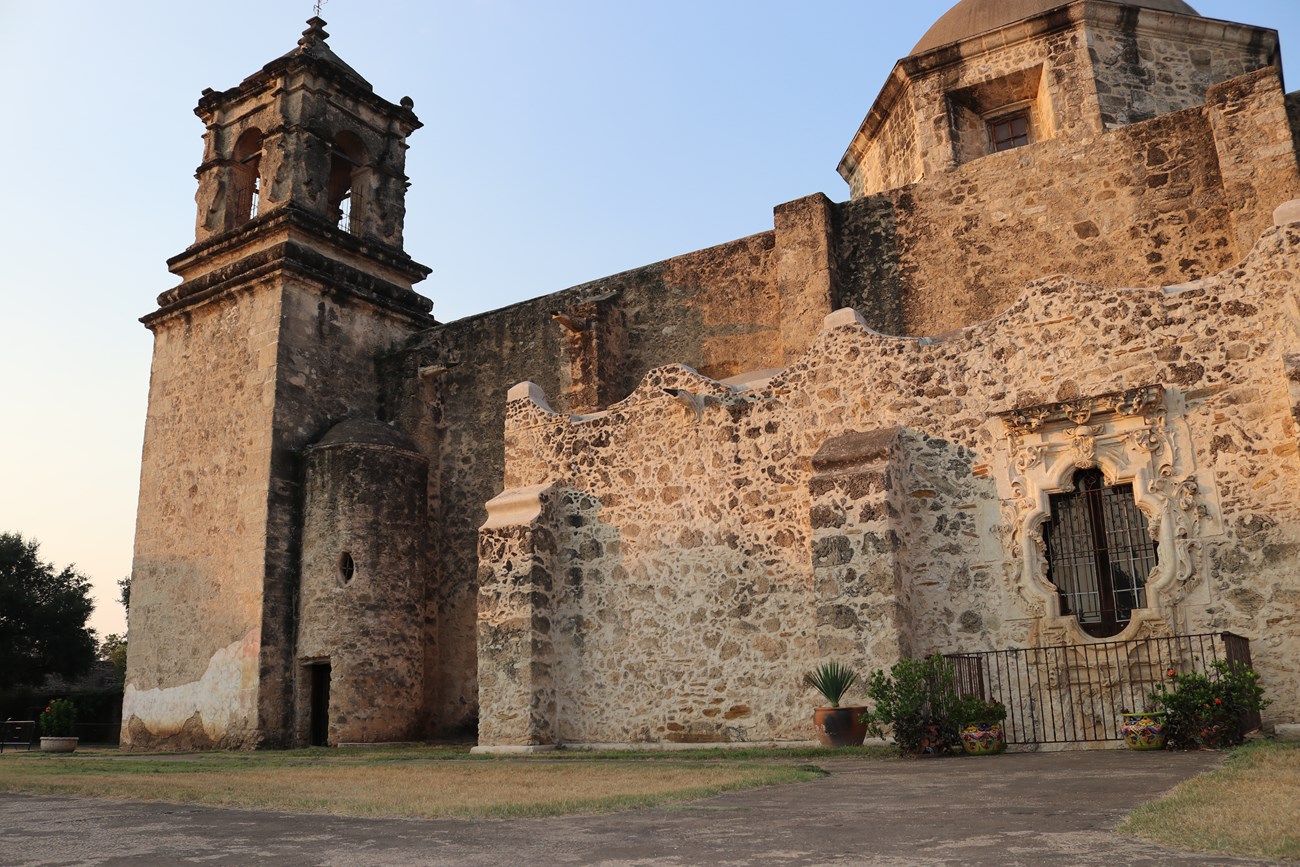
A substantial San Antonio mission enclosure where courtyards and walls still direct attention back to an active Catholic church.

San Antonio Missions
A UNESCO-listed Texas mission chain of churches, compounds, irrigation canals, parish life, and river-corridor heritage.
Keep exploring