Living sacred site
San Antonio Missions
San Antonio Missions is a Texas World Heritage landscape where Catholic churches, mission compounds, acequia waterworks, parish worship, and the river corridor remain linked.

At a glance
- Official sourceparkplanning.nps.gov
- Citations6 citations
- Hero imagePublic domain via official-site
- Latest source check2026-04-25
How to read this place: Read the San Antonio Missions through several components: churches, compounds, acequias, active parishes, and the river valley.
Plan your visit
The property joins worship, water management, settlement, and river movement across several mission locations.
Respect essentials
What stands out
Why this place matters
Several churches, compounds, and irrigation works still hold together as one mission landscape.
Its force comes from the combination of mission architecture, river corridor, and active parish continuity.
National Park Service context notes active congregations at the park missions, so present-day worship remains part of the experience.
Historical background
History
The San Antonio Missions grew from Spain's eighteenth-century mission system in the San Antonio River valley, where Franciscan religious work, Indigenous communities, agriculture, ranching, military presence, and water management were organized together. UNESCO describes the World Heritage property as a group of five frontier mission complexes along the river basin, including the famous Alamo outside the National Park Service unit and the four park missions of Concepcion, San Jose, San Juan, and Espada. That serial form matters historically: the missions were not isolated churches, but linked settlements with compounds, fields, acequias, workshops, defensive walls, and ceremonial spaces. Their placement along the river made irrigation and movement part of the same colonial landscape as worship. The acequia system, especially around Espada, shows how religious conversion, agricultural labor, and community planning depended on water control as much as on church buildings.
Mission San Antonio de Valero, later known as the Alamo, began the sequence in the early 1700s, while the other missions developed as the Spanish colonial project in Texas became more settled. San Jose became the largest and most architecturally complete mission compound, often used to explain how church, convento, granary, workshops, defensive enclosure, and Indigenous housing worked together. Concepcion preserves one of the oldest unrestored stone churches in the United States, while San Juan and Espada make the southern reach of the corridor legible through smaller compounds, agricultural lands, and irrigation works. The missions drew Indigenous people into new Catholic communities under colonial pressure, disease, labor demands, and changing regional power. That history should not be flattened into a romantic church trail: the same walls that now frame heritage visits also record cultural disruption, adaptation, forced change, and the formation of new local communities.
After the Spanish mission period declined, the compounds did not simply become ruins. Churches continued to serve local Catholic life, buildings were damaged, reused, restored, and protected, and the river corridor became part of San Antonio's modern civic identity. The National Park Service manages the four southern missions as San Antonio Missions National Historical Park, while church ownership and parish use remain distinct from park interpretation. UNESCO inscription in 2015 recognized the missions as a cultural landscape instead of a single monument, emphasizing the exchange among Spanish, Indigenous, and later Mexican and Texan communities. For visitors, that means the history is best read across several stops. The story moves from colonial mission planning to parish continuity, from stone churches to acequias, and from Spanish imperial aims to the communities that still gather around these sacred places.
The twentieth- and twenty-first-century preservation story also affects how the missions should be read. Restoration and park management made walls, granaries, mills, and church precincts easier to visit, but they also separated interpretation into different authorities: the National Park Service manages historic grounds, while parish life continues under Catholic church structures. UNESCO inscription did not turn the missions into a museum district; it recognized a landscape where tangible remains and living traditions overlap. That is why Mission Concepcion, San Jose, San Juan, and Espada reward a corridor visit. Each stop shows a different proportion of church, compound, water, settlement, and later neighborhood life, and the serial route prevents one famous facade from standing in for the whole history.
Several details make that corridor history visible on the ground. Mission Concepcion keeps the impression of a fortified church compound; Mission San Jose shows the most complete enclosure and visitor sequence; Mission San Juan and Espada keep attention on agricultural reach, water, and settlement edges. The missions also sit within a larger story of Coahuiltecan and other Indigenous peoples who negotiated survival inside a colonial religious order that changed language, labor, settlement, and ceremony. A responsible history has to name both the Catholic parish continuity and the colonial system that made that continuity possible through pressure as well as devotion.
The park-and-parish arrangement also preserves a rare American example of sacred continuity inside a public heritage corridor. Visitors can stand in a mission compound interpreted by federal rangers, then step into or around a church whose religious calendar is not controlled by the park. That layered stewardship explains why the missions resist a single ownership story. Spanish colonial policy, Indigenous adaptation, Catholic parish life, city growth, federal preservation, and World Heritage recognition all remain visible in the same river landscape.
Sacred meaning
Sacred context
The sacred context of the San Antonio Missions is Catholic, but it is inseparable from the mission landscape that carried Catholic practice into daily life. Each mission centered worship around a church, sacraments, feast days, clergy, and instruction, yet the mission was also a place where food production, housing, labor, water, and protection were arranged around a religious order. This is why the missions feel different from stand-alone parish churches. The sacred center is visible in the sanctuary and church facade, but the wider compound explains how Catholic life was meant to structure time, work, kinship, and public ceremony. UNESCO's serial listing helps keep that wider frame in view, since the property is about the relationship among churches, compounds, acequias, and the river valley.
The site also requires care because mission history includes both living worship and colonial harm. The missions remain sacred to Catholic parish communities, and NPS planning material notes that the four park mission churches are active parishes managed by the Archdiocese of San Antonio. A visitor may therefore move from an interpreted ruin or museum-like exterior into a church where Mass, prayer, baptisms, funerals, or parish events are not historical reenactments but present religious life. Respect here means giving worship priority, keeping voices low in churches, not treating parishioners as part of the display, and staying on marked paths around fragile fabric and acequia features. The missions can be visited as architecture, World Heritage, and civic landscape, but their sacred meaning still depends on active Catholic use and on honest attention to the Indigenous communities whose lives were remade within the mission system.
The acequias add another sacred layer because they show that mission religion was lived through ordered communal survival, not only through Sunday worship. Water moved through fields, compounds, and neighborhoods, supporting communities gathered around the church calendar. For modern visitors, this makes the outdoor landscape part of the sacred context. A church interior asks for quiet, but an irrigation channel or compound wall asks for a different kind of respect: do not climb, shortcut, or treat working historical infrastructure as a backdrop. The sacred landscape includes both prayer spaces and the systems that made mission community life possible.
Because the churches are active, timing matters. Mass, confession, funerals, weddings, school visits, and parish events can change the tone of a mission stop without warning to a casual visitor. The most useful etiquette is simple: enter churches quietly, step aside for parishioners, avoid photographing people at prayer, and let posted parish or NPS instructions overrule a fixed sightseeing plan.
FAQ
Sources
- Official websitePrimary visitor-facing site for current access and institutional context.
- UNESCO entryPrimary authority source for the San Antonio Missions World Heritage property and its component missions.
- Wikipedia entryWikipedia article for San Antonio Missions.
- San Antonio Missions (Property 1466)Primary authority source for the San Antonio Missions World Heritage property and its component missions.
- San Antonio Missions National Historical Park planning overviewNPS planning document stating that the four park missions have active parish churches managed by the Archdiocese of San Antonio.
- Mission San Jose (Q6878730)Entity anchor for Mission San Jose y San Miguel de Aguayo within the San Antonio mission chain.
- Mission San Francisco de la Espada (Q2393728)Entity anchor for Mission San Francisco de la Espada within the San Antonio mission chain.
- Mission San Juan Capistrano (Q3295780)Entity anchor for Mission San Juan Capistrano within the San Antonio mission chain.
- San Antonio MissionsWikipedia article for San Antonio Missions.
Nearby places
Nearby sacred places in Southwest United States
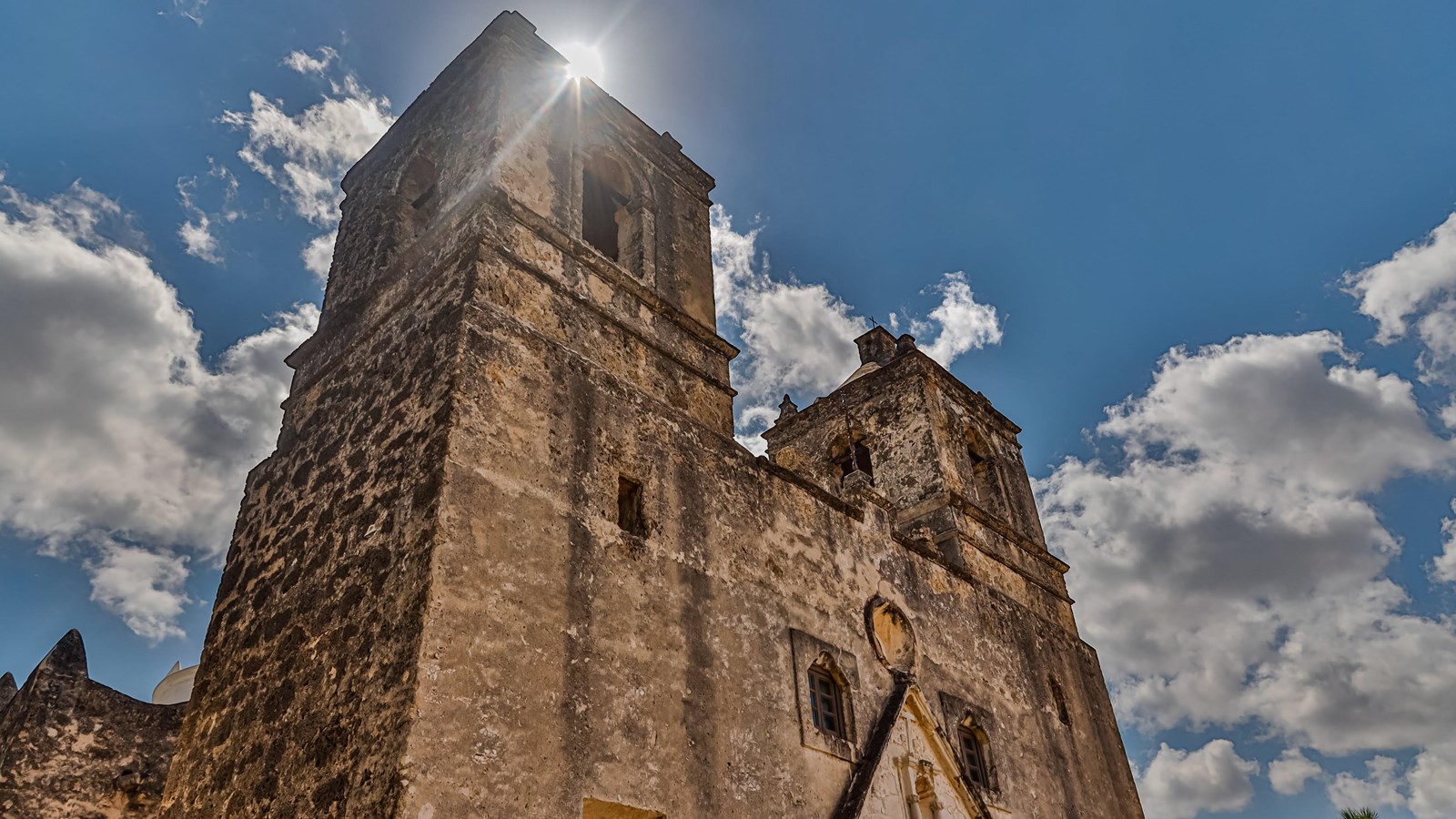
Mission Concepcion
A San Antonio mission where an old church continues in worship, with grounds and river history keeping the larger mission setting visible.
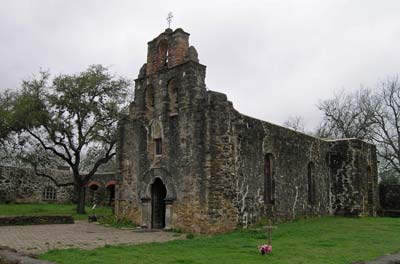
Mission San Francisco de la Espada
A quieter southern San Antonio mission where church life, irrigation traces, open grounds, and former fields remain part of one Catholic landscape.
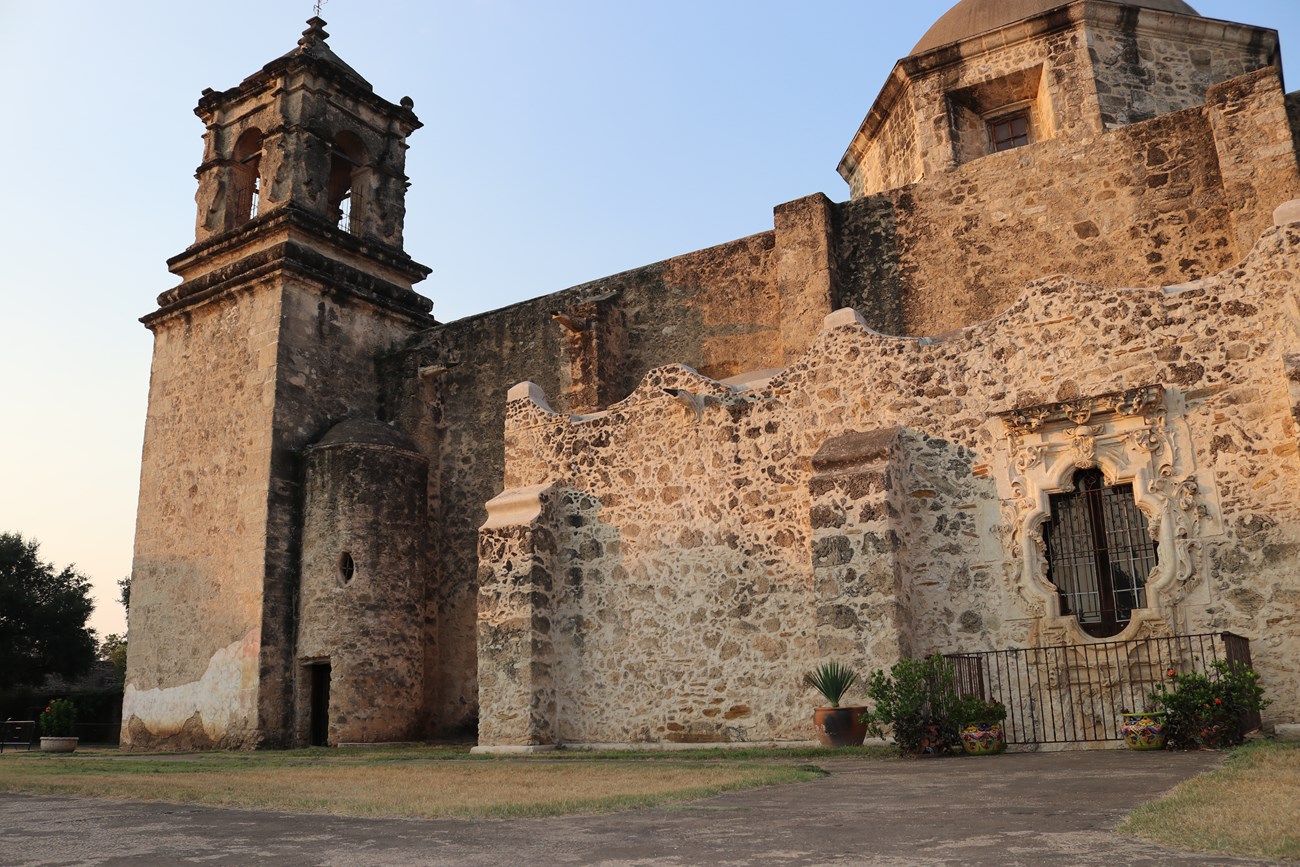
Mission San Jose y San Miguel de Aguayo
A substantial San Antonio mission enclosure where courtyards and walls still direct attention back to an active Catholic church.
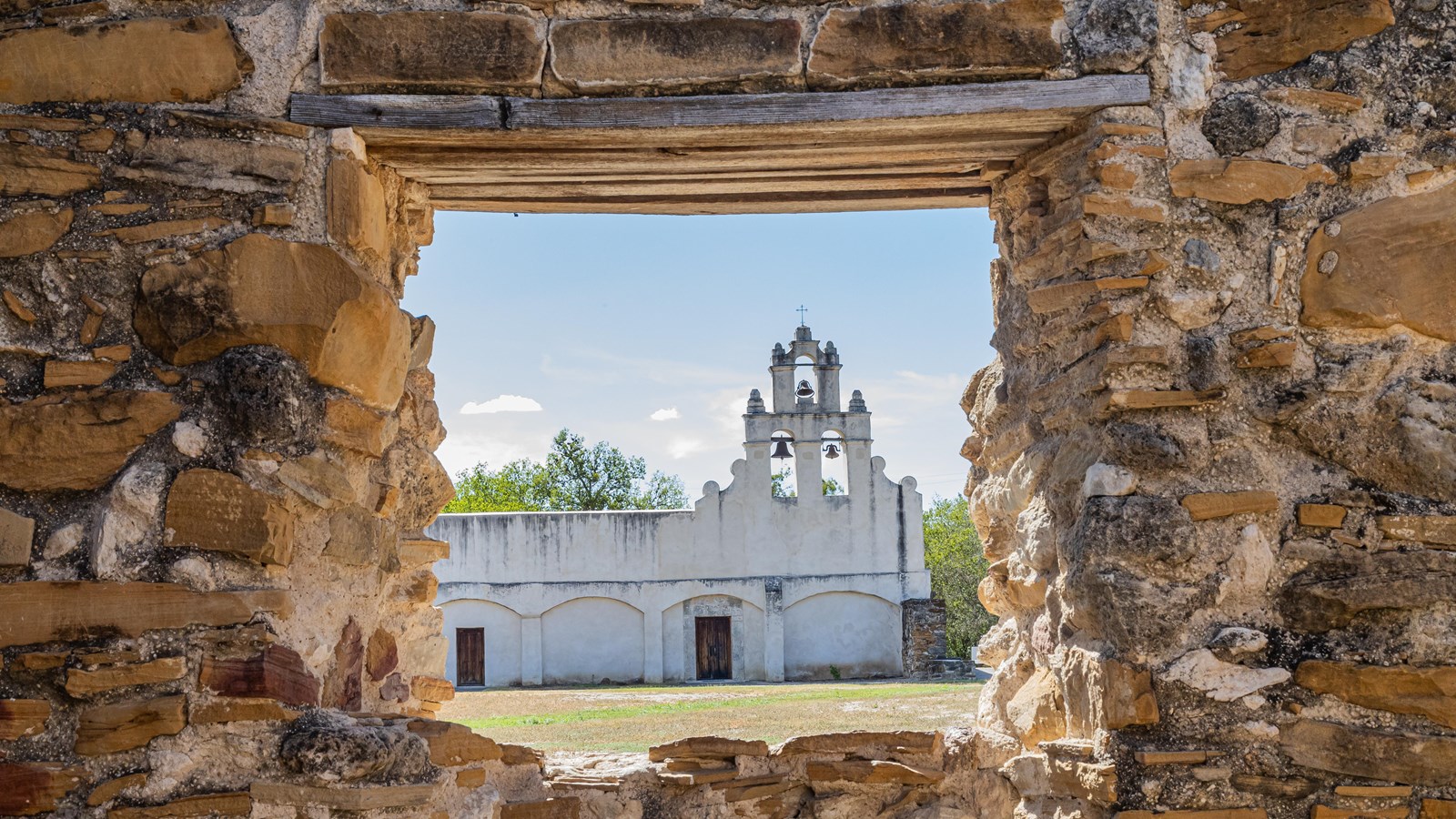
Mission San Juan Capistrano
On San Antonio’s southern mission route, San Juan offers a quieter parish church, broad grounds, and a landscape memory of fields and community life.
Same tradition elsewhere
Christianity sacred sites beyond Southwest United States


Keep exploring